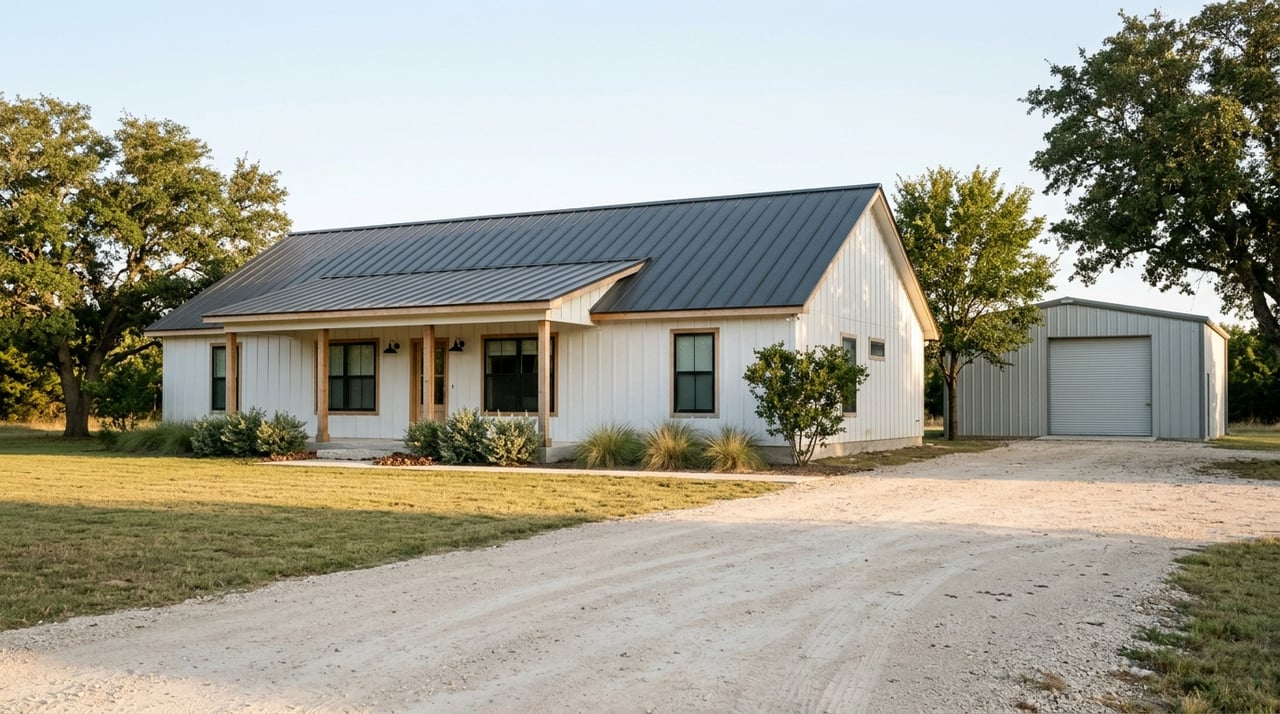
Life On Acreage In Lee County
April 23, 2026
April 23, 2026
If you are dreaming about more space, quieter mornings, and land that gives you options, life on acreage in Lee County may feel like a natural fit. At the same time, country living comes with practical questions about access, land use, daily errands, and how a property really functions beyond the listing photos. This guide will help you understand what acreage living in Lee County actually looks like, so you can make a confident move. Let’s dive in.
Lee County offers a rural setting with room to spread out, but it is still connected to the basics you need day to day. The county had 17,478 residents in 2020 and an estimated 18,729 residents in July 2025 across 629.04 square miles, which works out to about 27.8 people per square mile according to the U.S. Census QuickFacts for Lee County.
That low-density layout is a big part of the appeal if you want privacy, elbow room, and a more rural pace. It also helps explain why so many homes here are owner-occupied. The same Census profile reports a 77.8% owner-occupied housing rate, which supports the county’s long-term, rooted feel.
For many buyers, Lee County also offers a workable middle ground between country living and regional access. The City of Giddings notes that it sits at the intersection of U.S. 77 and U.S. 290, about 55 miles east of Austin, making it a practical hub for the county.
Acreage in Lee County is often more than a large yard. In many cases, land is evaluated based on how it can be used, maintained, and accessed over time. That matters whether you want a homestead, a horse property, a grazing tract, or simply a country home with more breathing room.
According to Lee CAD agricultural use guidelines, agricultural land must be devoted principally to ag use for five of the previous seven years, show recognizable and prudent management, and meet local intensity standards. The same guidelines make an important point: land does not qualify for ag valuation simply because it is rural.
That distinction is one of the biggest surprises for first-time acreage buyers. A property can feel country, but its tax treatment and day-to-day use depend on more than location alone. If you are comparing properties, it helps to look past the surface and focus on how the tract is currently used and what is realistically possible in the future.
In Lee County, many acreage properties are tied to practical rural uses. Lee CAD’s guidelines reference examples such as:
The county’s examples also show how land expectations can differ by use. The document references approximately 5 acres per animal unit for grazing, 15 acres for livestock, 10 acres for hay meadow or cropland, 5 acres for orchard or vineyard, and 15 acres for exotics.
These numbers are helpful because they give you a more realistic picture of what a tract may support. If a property includes a home, the same Lee CAD guidance notes that it is usually primarily residential, with agricultural use considered secondary.
One of the biggest advantages of acreage living in Lee County is that your home can feel distinctly country while your daily needs stay fairly close at hand. Giddings serves as the county seat and the main hub for errands, services, and appointments.
Lee County’s official resources direct residents to practical services such as county offices, the appraisal district, the sheriff, emergency management, the extension office, and local alerts through Giddings. For many acreage households, this creates a rhythm where home life happens out on the land, while key weekly tasks are handled in town.
That setup can be especially appealing if you want a rural lifestyle without feeling completely removed from basic services. It is not about having everything at your doorstep. It is about having enough nearby to make country living more manageable.
If your routine includes school drop-offs, sports, medical visits, or library trips, Giddings plays an important role. Giddings ISD lists four campuses: Giddings Elementary, Intermediate, Middle, and High School, and the district also provides transportation and bus route information.
For healthcare access, Tejas Health Care is listed in the research as having a Giddings Medical & Behavioral Health Office at 185 Decker Dr. with weekday hours and Saturday hours on the third and fourth Saturdays. That kind of local access can make a real difference when you are balancing rural privacy with everyday convenience.
Giddings also offers community amenities that support a steady day-to-day lifestyle. The city highlights Veterans Park and other parks facilities with a pool, kiddie pool, baseball fields, play center, tennis court, and basketball court, along with a public library and cultural center that includes books, genealogy materials, displays, meeting space, and regular programs.
Acreage living does not have to mean isolation. In Lee County, the community calendar still reflects agriculture, local traditions, and small-town gathering points.
The Lee County Fair Association says the fair takes place the third weekend of May at Giddings VFD Fireman’s Park and raises scholarships for local youth. The research also notes that the Lee County Farmers Market operates every Friday and on third Saturdays in Giddings, which adds another consistent community touchpoint.
If you enjoy local history, the research points to the Texas Wendish Heritage Museum in Serbin, with exhibits focused on Wendish immigrant history and museum hours Tuesday through Saturday. Together, these places and events help create a lifestyle that is rural at home but still connected to the larger community.
If outdoor living is part of why you want acreage, Lee County’s location supports that lifestyle well. The county map shared by Giddings places communities like Lexington about 18 miles north of Giddings, Serbin about 7 miles southwest, and Loebau about 4 miles northeast, showing how small communities shape everyday routes and routines across the county.
For wider recreation, Lake Somerville State Park & Trailway adds another layer of appeal. Texas Parks and Wildlife notes opportunities there for horseback riding on the 13-mile trailway and in the Nails Creek Unit, along with camping, hiking, fishing, boating, and wildlife viewing.
That is part of what makes acreage life here attractive to buyers who want more than square footage. You are not just buying land. You are buying room for hobbies, animals, equipment, gardens, outdoor time, and a different pace of life.
Not all acreage properties in Lee County offer the same value, even when they are close to each other. According to Lee CAD’s reappraisal plan, rural land value is shaped by factors such as:
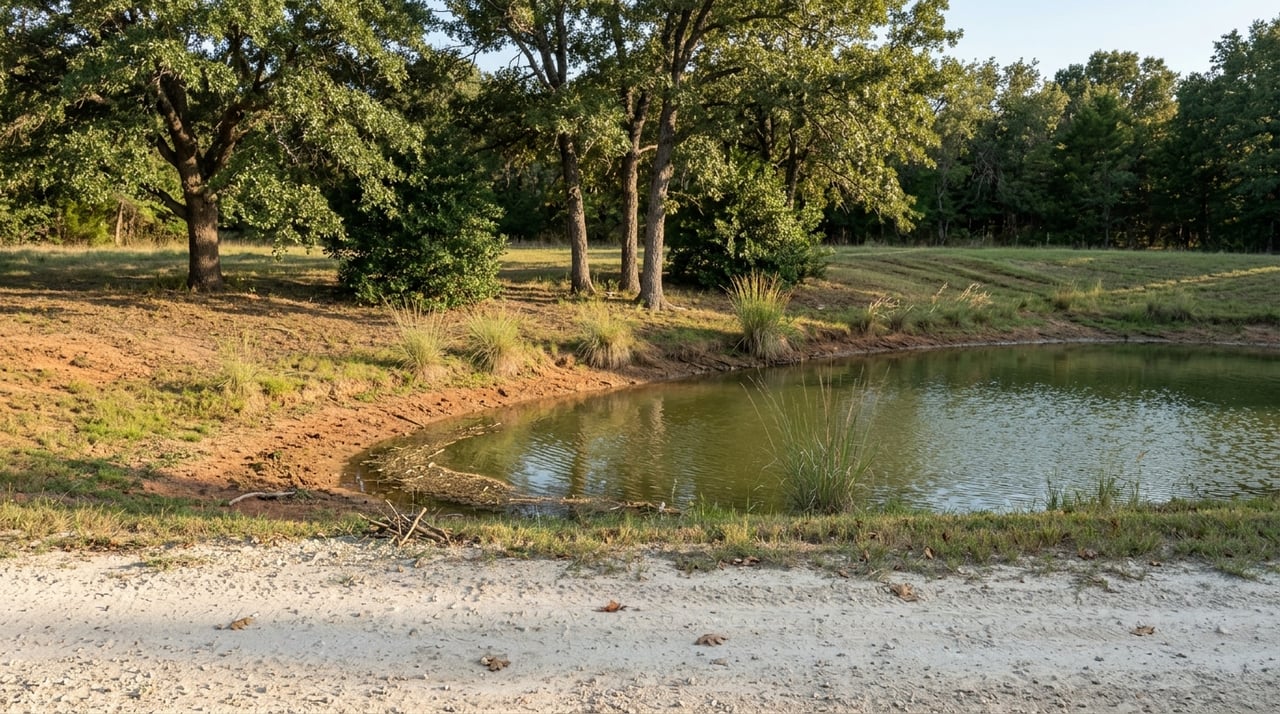
This is where experience matters. Two properties may look similar online, but one may offer better access, more usable ground, stronger water features, or improvements that support your plans more effectively.
If you are buying acreage, it helps to think beyond the house itself. The land’s usability, how the tract lays out, and whether the improvements fit your goals can have a major impact on both your daily experience and long-term value.
Before you purchase acreage in Lee County, take time to ask practical questions that line up with how you want to live. The right property is not always the one with the most acres. It is the one that works best for your needs.
Here are a few smart starting points:
These are the kinds of details that can change how a property feels after move-in. A beautiful tract on paper may function very differently once you factor in commute patterns, maintenance needs, or land limitations.
Lee County can be a strong fit if you want privacy, usable land, and a lifestyle that stays connected to a practical town hub. It offers a rural setting, community traditions, and access to services that make acreage ownership feel more realistic for full-time living.
It may be especially appealing if you are relocating from a busier area and want more space without losing access to everyday essentials. It can also make sense if you want land that supports horses, livestock, hay production, or simply a country home with room to grow.
The key is buying with a clear understanding of how the land functions, not just how it looks. If you want help evaluating acreage, improvements, access, and long-term usability in Lee County, Caitlin Jacob brings a practical, detail-focused approach to rural property decisions.
Stay up to date on the latest real estate trends.
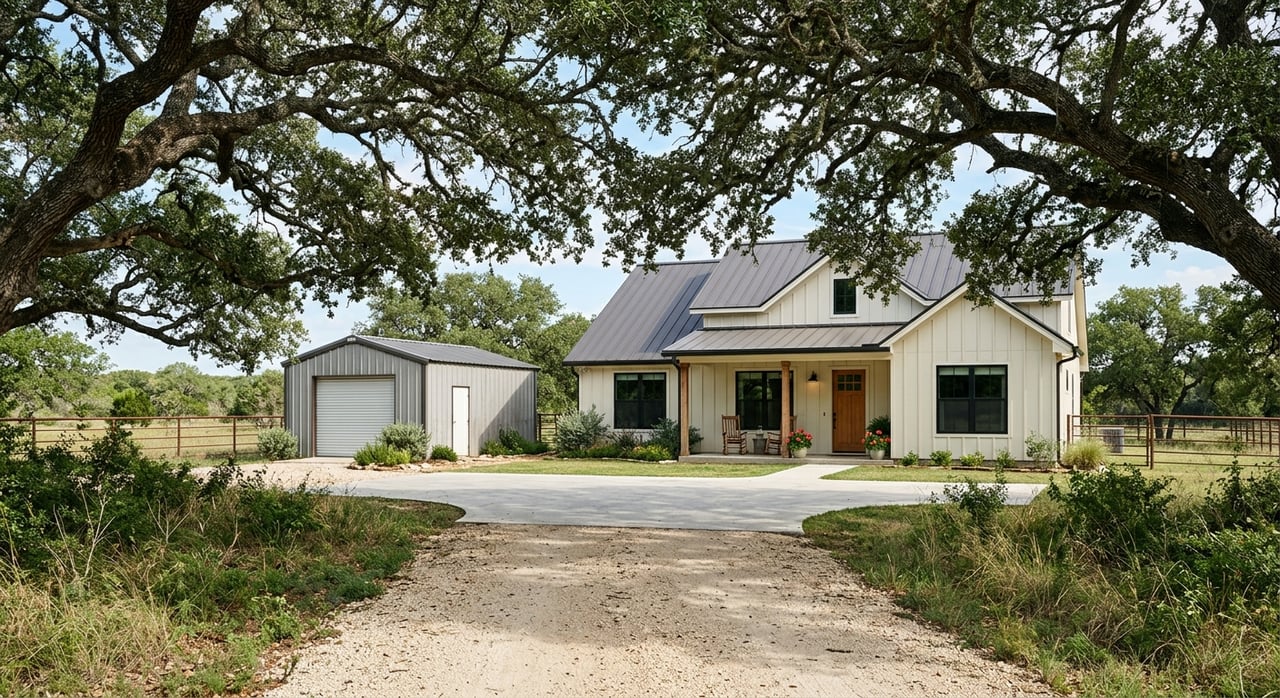
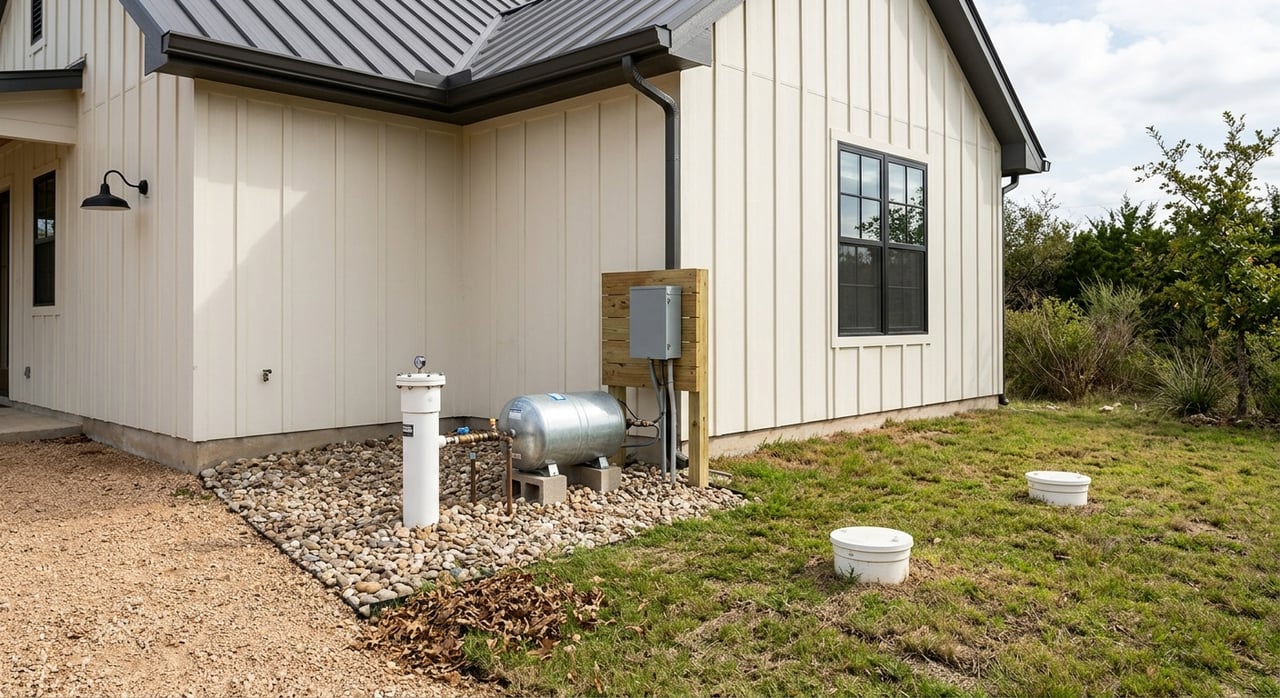
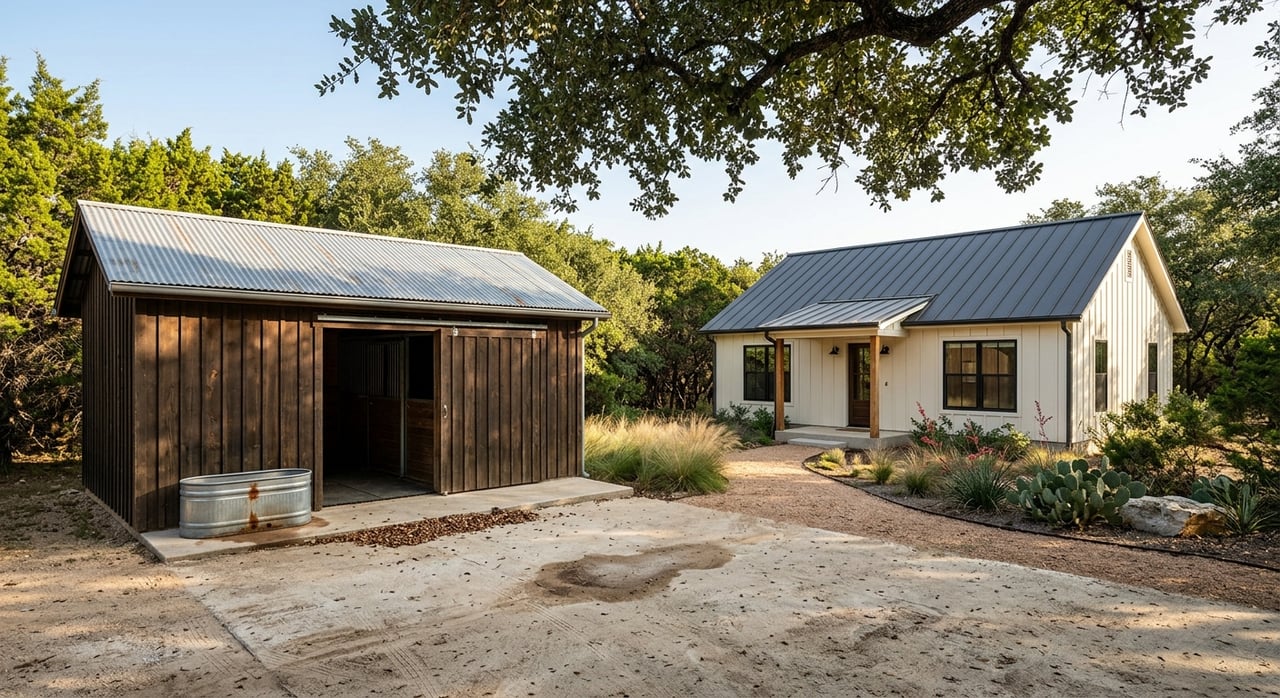
Whether you’re buying your first home or selling a property, Caitlin Jacob delivers attentive service and market insight to help you achieve your real estate goals in South Central Texas and surrounding areas.