Leave a Message

Thank you for your message. We will be in touch with you shortly.

What Rural Living In Washington County Really Looks Like

March 5, 2026

Dreaming of wide-open skies, quiet nights, and room to breathe, but not sure what daily life on acreage near Brenham really looks like? You’re not alone. Washington County blends true country living with the essentials you need close by, and it helps to know the practical side before you make a move. In this guide, you’ll get a clear picture of the land, services, commutes, utilities, and rhythms that shape life here so you can decide if it fits your goals. Let’s dive in.

Where you’ll live and shop

Washington County sits along US 290 between Austin and Houston. It covers a little over 600 square miles and includes Brenham (the county seat), Chappell Hill, Burton, and several unincorporated communities. The county’s 2020 Census population was 35,805, and the July 1, 2024 estimate reached about 37,810, showing modest growth in the early 2020s.

Brenham anchors day-to-day life with a community hospital, Blinn College’s Brenham campus, and weekly shopping options. The local economy mixes education and health services with food and light manufacturing, including a well-known ice cream producer, plus agriculture and tourism. For you, that means country living with real conveniences in reach, and a small-city center that feels active year-round.

Property types you’ll find

Ranchettes and hobby farms

On the open market, the most common rural listings are 5 to 50 acre ranchettes and hobby farms. These parcels often provide enough space for horses, a handful of cattle, basic pastures, and privacy. You will see many advertised as “no restriction” or lightly restricted. Always review recorded deed restrictions and any HOA covenants if the tract is part of a subdivision.

Working ranches and legacy tracts

Small working ranches in the 50 to 300 plus acre range are still common in Washington County. Many run cattle or mixed livestock, produce hay, or include timber patches, with some tracts offering creek or river frontage for recreation. Larger legacy ranches do exist but are listed less frequently and can take time to find.

Homes on acreage

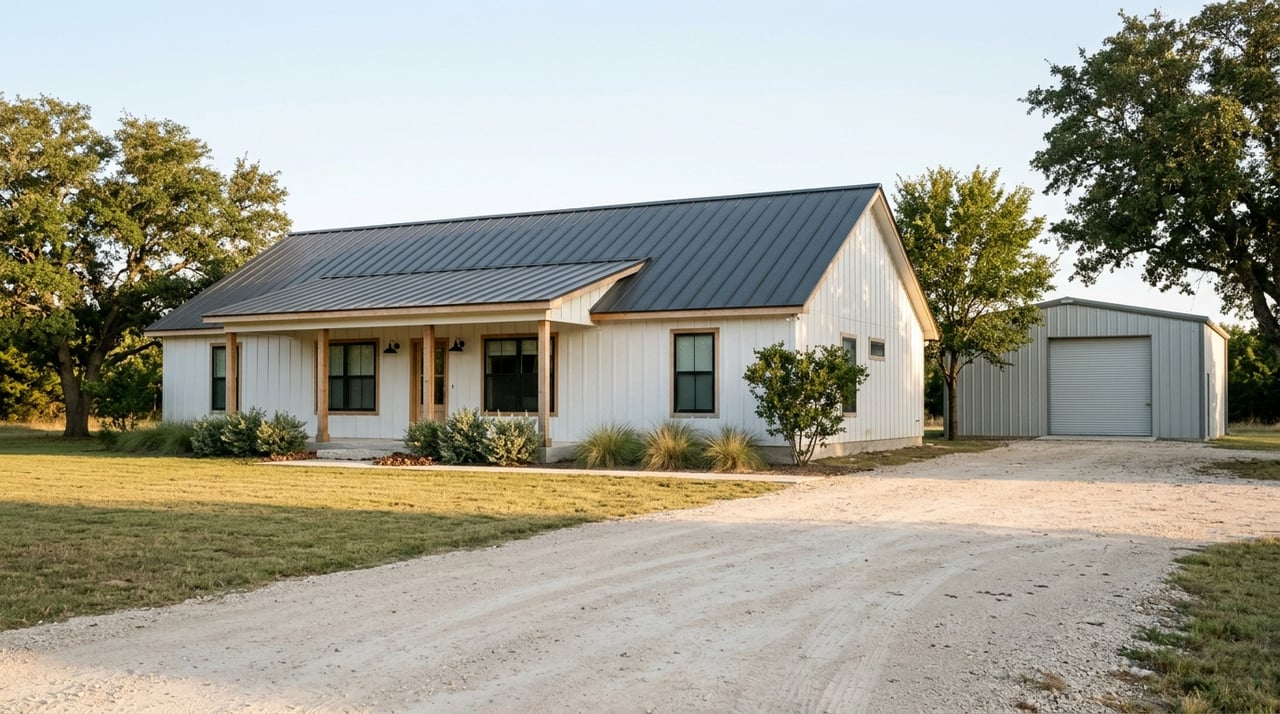
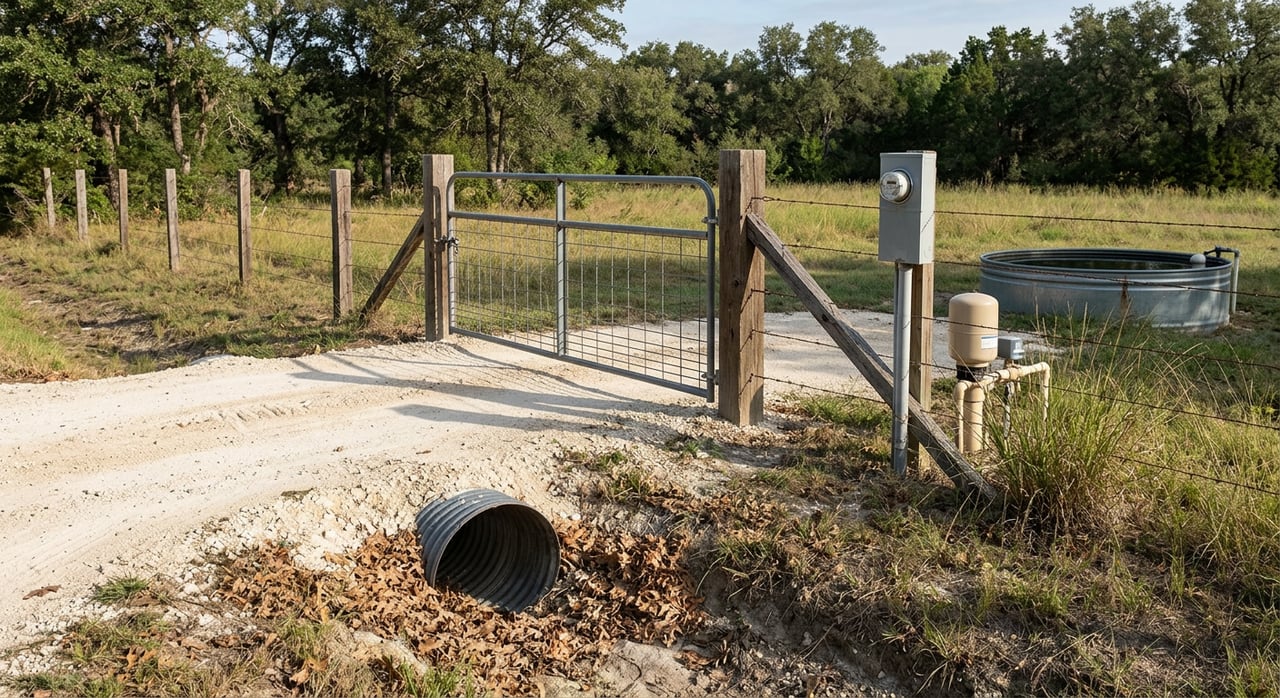
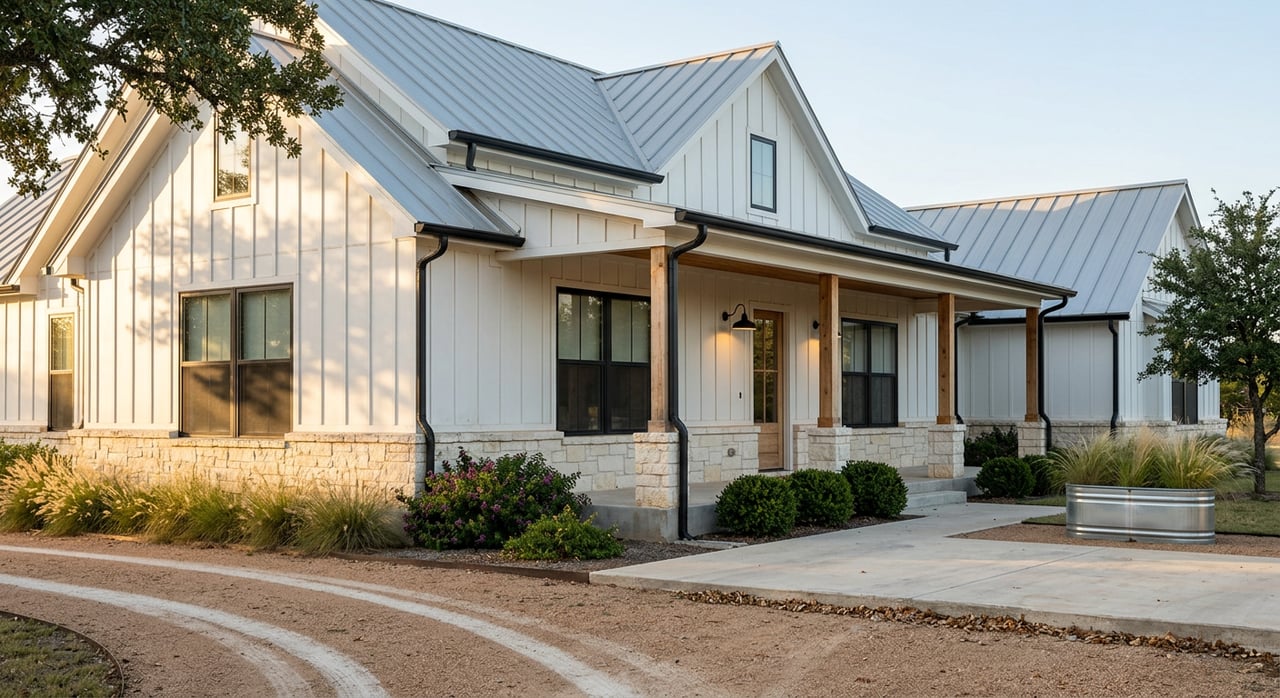
You will see a mix of older farmhouses, renovated historic homes, modern steel barndominiums, and modular or manufactured homes on land. Many improved parcels include barns, equipment sheds, stalls, stock tanks or small ponds, and fenced pastures. Expect to budget for additional outbuildings or upgrades if you plan to keep equipment, horses, or livestock.

Pricing signals to watch

Prices vary widely. You will find single-digit acre tracts in the low hundreds of thousands and legacy ranches priced in the millions. Per-acre asking prices swing based on location, access, improvements, water features, and whether a tract is subdividable. If you are comparing options, look closely at frontage, utilities, fencing, and pasture quality to understand why two similar acre counts can be priced very differently.

Daily life and amenities

Brenham offers a full-service hospital for routine emergency and general medical care. For specialty or major hospital services, people typically drive to Houston, Austin, or College Station. Education and community life revolve around Blinn College’s Brenham campus and local public schools, which shape the calendar and bring steady activity throughout the year.

Grocery shopping is straightforward. Brenham supports major grocery and general merchandise options for weekly runs, and you can make occasional trips to larger cities for specialty items. Culture and recreation include the Washington-on-the-Brazos state historic site, Lake Somerville for outdoor time, local wineries, small museums, and visitor favorites tied to local food producers.

Seasonally, spring bluebonnets bring weekend visitors, the Chappell Hill Bluebonnet Festival draws crowds, and late summer into early fall features the Washington County Fair and related events. Expect a little extra traffic on those weekends, which can be part of the charm if you enjoy community traditions.

Commutes and travel times

From Brenham, typical non-rush drives look like this:

  • Brenham to College Station: about 35 to 45 miles, roughly 40 to 50 minutes by car. This is the most feasible daily commute for many residents.
  • Brenham to Houston: roughly 70 to 80 miles, about 1 hour 10 minutes to 1 hour 30 minutes depending on your destination and traffic. This is possible for some but long for daily trips.
  • Brenham to Austin: roughly 80 to 90 miles, around 1.5 hours depending on your exact destination and traffic.

Most rural roads are county or Farm-to-Market roads. Heavy rain can slow travel and sometimes close low-water crossings. Ice and snow are rare but can happen in winter. Many acreage buyers choose a hybrid work arrangement or accept at least one long weekly drive into a metro area.

Utilities and infrastructure checklist

Water and septic

  • Private wells are common outside city limits. Brenham city water is primarily available in town. If you are outside a water district, plan for well drilling and pump costs when building.
  • Septic systems require permits through Washington County Environmental Health. If you intend to install or modify a system, get the permit packet early and understand siting and system-type rules.
  • The county administers building and environmental rules for unincorporated areas. Private deed restrictions are enforced by property owners rather than the county, so you should review recorded documents before you buy.

Power and fuel

  • Expect municipal electric service for many in-town properties and electric cooperative service across much of the county for rural parcels. If you are building new on raw land, ask about extension or pole costs.
  • Many rural homes use propane for cooking or as backup heat. Plan for tank placement that is accessible for delivery trucks and clear of regular livestock traffic.

Internet and cell

  • High-speed fiber and cable are available across much of Brenham. Service drops off quickly in the country, where many addresses rely on a mix of fixed wireless or satellite. Options and speeds vary widely by parcel.
  • Countywide, an estimated 82.8 percent of households had a broadband subscription during the 2019 to 2023 period. If remote work is critical for you, test service at the specific address and confirm options before you submit an offer.

Taxes, appraisal, and insurance basics

  • Texas property taxes come from several local taxing entities. Use the Washington County Appraisal District to look up appraised values and which jurisdictions apply to a parcel, then review recent rates with a tax professional if needed.
  • Many rural tracts sit near creeks or in low-lying areas. Review FEMA flood maps and any county floodplain resources to understand insurance and buildable areas. While catastrophic wildfire risk is lower than in dry-forest regions, brush fires can occur. Check local fire district coverage and how access could affect insurance.

What rural rhythms feel like

Washington County’s social fabric includes active volunteer fire departments, 4-H and FFA programs, and community events like Friday night football, church gatherings, and county fairs. Deliveries such as propane or feed are often scheduled weekly. Many rural households consolidate errands into one or two trips into Brenham or a larger city. If you love privacy but still enjoy a tight-knit community, this balance can be a great fit.

Smart steps before you buy

Use this quick plan to get a realistic feel for acreage life near Brenham:

  • Visit candidate properties on a weekday and a weekend to sample road dust, passing traffic, and cell signal strength.
  • Verify utilities at the parcel address. Confirm electric provider, public water versus private well, and whether fiber or fixed wireless is available.
  • Ask Washington County Environmental Health for the septic permit packet. Request any prior soil evaluations or site plans for the tract.
  • Test your commute to the exact workplace address at the times you would travel. If you plan to work in Houston or Austin, discuss hybrid options.
  • Look up the parcel in the Washington County Appraisal District system to see appraised value and taxing jurisdictions. Ask a local tax professional about typical combined bills for similar properties.
  • If remote work matters, test last-mile internet options on site. Do not rely on citywide advertising to judge service for a rural address.

Is Washington County a fit for you?

If you want acreage with true country quiet, a small-city hub for essentials, and realistic access to College Station, Washington County checks a lot of boxes. You will need to plan ahead for utilities, verify internet at the address, and embrace a few longer drives. In return, you get usable land, space for livestock or hobbies, and a community that values its traditions.

If you would like a clear, step-by-step path to evaluating land, improvements, and long-term usability, I am here to help. I work across South Central Texas with a focus on rural living, and I will walk you through the details so you can move forward with confidence. Let’s Connect with Caitlin Jacob to get started on the right property for your goals.

FAQs

What utilities are typical for rural homes in Washington County?

  • Many rural homes rely on a private well, a permitted septic system, electric cooperative service, and propane for cooking or backup heat, while city water and municipal utilities are mainly available in town.

How reliable is internet service on acreage near Brenham?

  • In town, many addresses have high-speed fiber or cable, but in the country you may rely on fixed wireless or satellite, so verify options and test speeds at the exact parcel before you buy.

What are realistic commute times to Houston, Austin, and College Station?

  • Typical non-rush drives are about 40 to 50 minutes to College Station, 1 hour 10 minutes to 1 hour 30 minutes to Houston, and around 1.5 hours to Austin, depending on your destination and traffic.

Do I need a permit for a new septic system in Washington County?

  • Yes, the county’s Environmental Health office issues permits for new or altered on-site sewage systems, and you should review their packet before planning or starting any work.

How do property taxes work for rural tracts in Washington County?

  • Texas property taxes come from multiple local entities; use the Washington County Appraisal District to look up a parcel’s appraised value and taxing jurisdictions, then review current rates for an estimate.

What types of rural properties are most common in Washington County?

  • You will most often see 5 to 50 acre ranchettes and hobby farms, followed by working ranches from about 50 to 300 plus acres, along with homes ranging from older farmhouses to barndominiums.

What should I check for flood risk on a country property in Washington County?

  • Review FEMA flood maps and county floodplain resources, walk the property to understand drainage and low-lying areas, and discuss insurance implications before finalizing your offer.

Recent Blog Posts

Stay up to date on the latest real estate trends.

Partner With Caitlin

Whether you’re buying your first home or selling a property, Caitlin Jacob delivers attentive service and market insight to help you achieve your real estate goals in South Central Texas and surrounding areas.