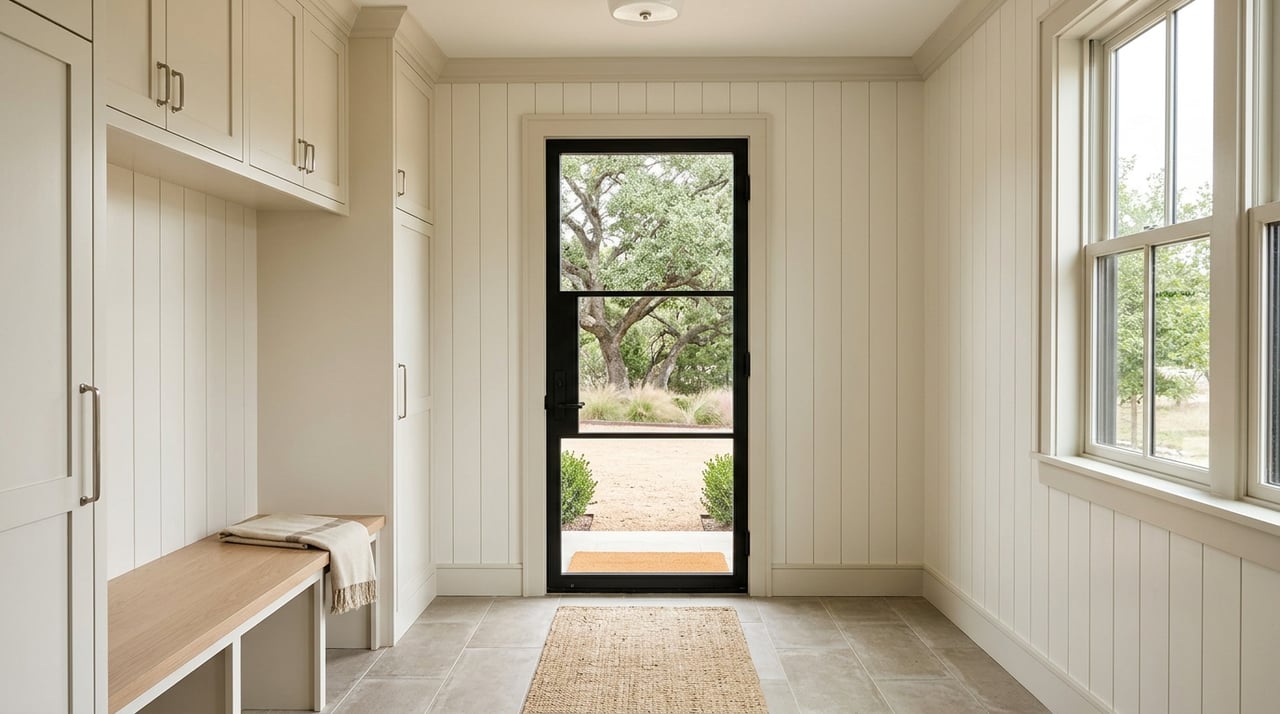
Preparing A Washington County Ranch For The Market
April 2, 2026
April 2, 2026
Getting a Washington County ranch ready to sell is not the same as prepping a house in town. Buyers looking at rural property are often paying close attention to the land itself, including access, fences, pasture condition, and the working features that affect day-to-day use. If you want to go to market with fewer surprises and a stronger first impression, a little prep on the front end can make a big difference. Let’s dive in.
In Washington County, ranch buyers are often evaluating a working property first and a lifestyle purchase second. According to the 2022 Census of Agriculture profile for Washington County, the county includes 2,137 farms across 374,608 acres, with livestock, poultry, and related products making up 65% of farm sales.
That matters when you prepare your ranch for the market. Buyers are likely to notice pasture condition, fencing, access, and working infrastructure early, especially in a county where cattle and calves accounted for $24.3 million in sales and forage production covers substantial acreage.
One of the first things you should confirm is whether your property still carries 1-d-1 or open-space agricultural appraisal and whether county records are current. Washington County notes that qualifying land must generally show a five-of-seven-year agricultural history, be devoted principally to agricultural use at the local intensity level, and have the proper application filed during the required period.
The county also states that land under 5 acres with a residence usually will not qualify, and that at least 51% of the property must be in ag use for the whole tract to qualify. If another use becomes the primary use, that ag qualification can be lost, so it is smart to verify your status before your listing goes live.
If your ranch has changed use, been partially converted, or is a mixed-use property, do not assume the appraisal status will carry over without issue. Washington County’s agricultural appraisal guidance and FAQs are the best place to confirm forms, standards, and records on file.
Ag appraisal questions can affect both buyer confidence and your timeline. If a buyer asks about current valuation, history of use, or the risk of rollback taxes, you want clear answers ready.
Washington County explains that if land is sold or converted to non-ag use, Texas law can trigger rollback tax for the previous three years, plus interest on 1-d property. That is exactly the kind of issue you want to understand before negotiations start.
A clean document packet helps buyers evaluate the property faster and can reduce back-and-forth during due diligence. For rural listings, this often matters just as much as photos and marketing.
The Texas Real Estate Research Center notes that surveys are advisable when land is bought or sold and are often needed for lenders, title insurance, or flood insurance. A land title survey can also show boundaries, rights-of-way, easements, and visible improvements, which are key details for ranch buyers.
Try to organize these items before the property officially hits the market:
Texas A&M landowner guidance highlights boundary lines, fences, pastures, gates, roads, wetlands, and related land features as core items owners should understand well. You can use that guidance to help assemble a practical seller packet that answers common buyer questions early. See Texas A&M’s landowner checklist for the land features buyers often want clarified.
A ranch showing goes better when visitors can understand what they are looking at. If gates, cross-fences, access roads, and pasture divisions are hard to follow, buyers may leave with more confusion than confidence.
Simple maps or aerials can help show the relationship between entrances, internal roads, fenced sections, and working areas. They also make it easier to explain how the ranch functions today, whether it is used for grazing, hay production, wildlife management, or a mix of uses.
Raw acreage alone does not tell the whole story. Buyers usually want to know how usable the tract is, how it is accessed, and how improvements support the land.
That practical lens fits Washington County well. With an average farm size of 175 acres and a market shaped by working land, your preparation should help buyers see not only how much land exists, but how the land works.
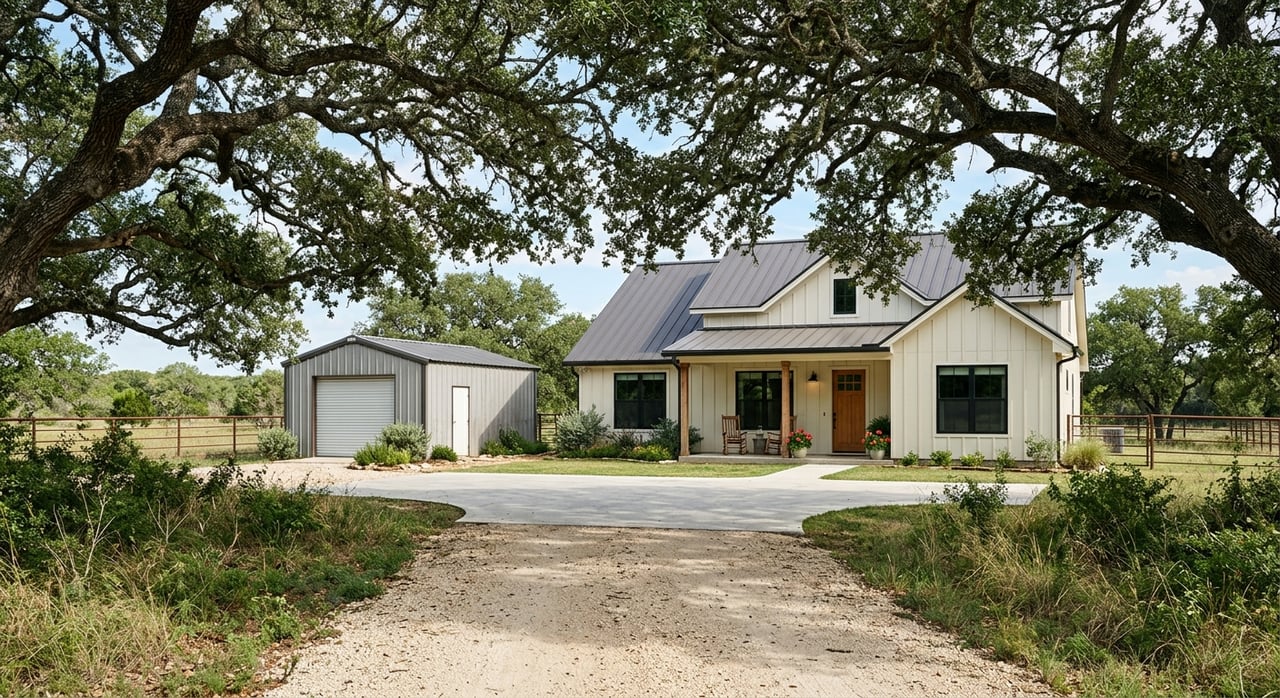
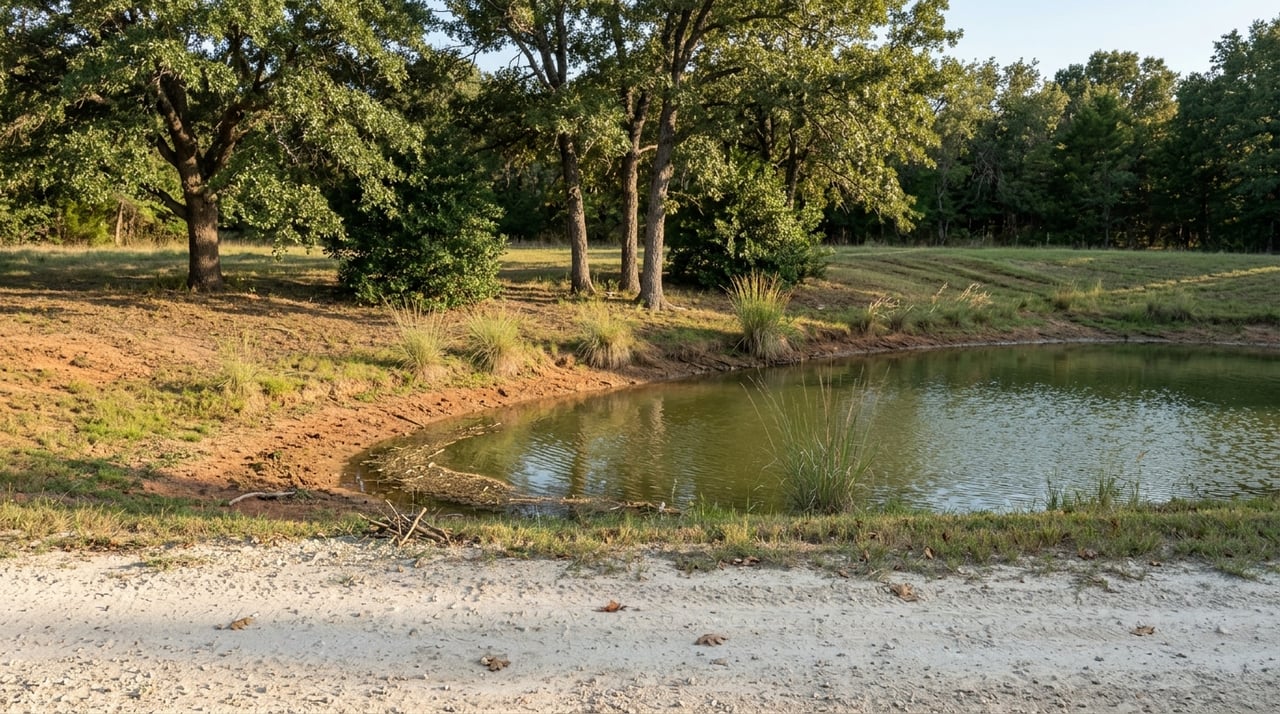
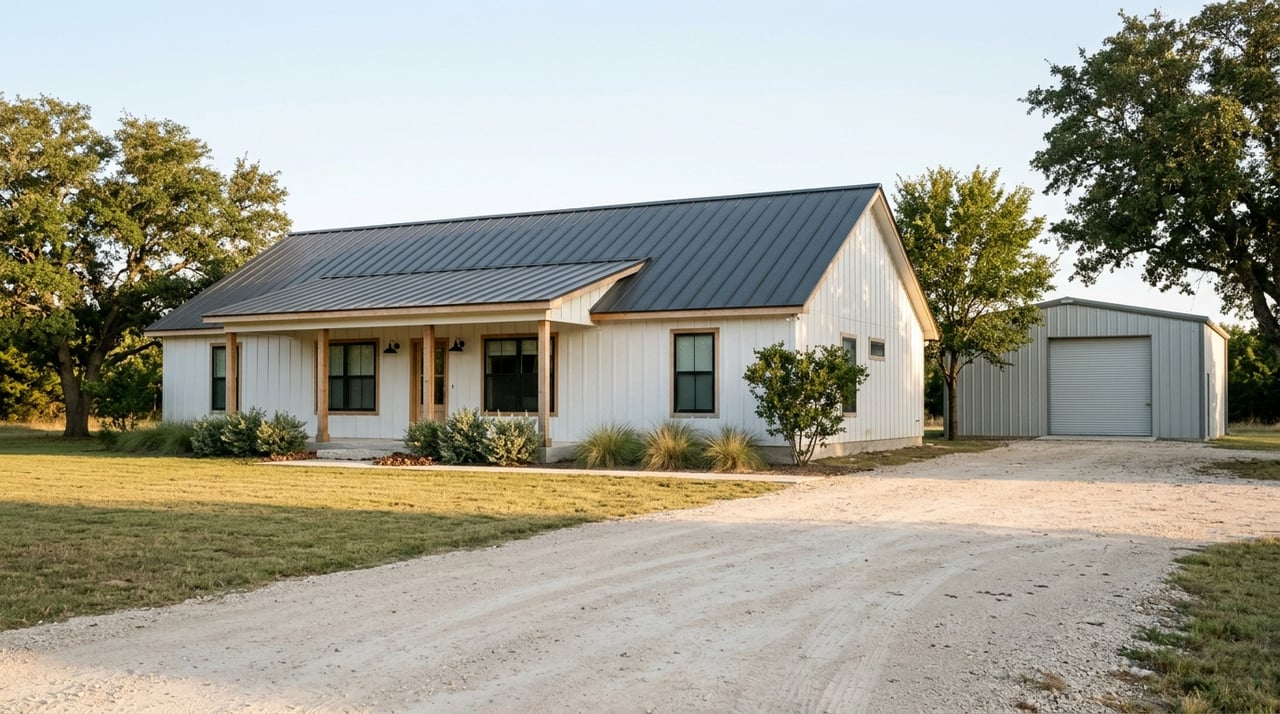
When buyers tour a ranch, many of their first opinions form before they ever step out of the truck. Road access, gate condition, visible fencing, pasture appearance, and overall upkeep often stand out immediately.
That means physical prep matters. Cleaning up trash, removing dead equipment, mowing around key access points, and fixing obvious gate or fence issues can help the property show as cared for and functional.
Before photos or tours, pay close attention to:
This approach reflects what Washington County buyers are likely to notice first in a working-land setting. It also supports safer, more efficient tours.
If your ranch has cattle or other livestock, showing logistics deserve extra thought. A smooth tour route helps buyers focus on the property without creating unnecessary safety or access issues.
Texas fence-law guidance explains that fence and livestock liability questions can vary based on local rules and facts. In practical terms, that means you should not assume every showing condition is low risk, especially if gates are left open or livestock can access roads or neighboring property. You can review that broader legal context in this Texas fence law overview.
A few simple steps can make tours easier:
These steps help protect the property’s operation while also creating a better buyer experience.
Some of the biggest issues happen when sellers assume their records, appraisal status, or marketing details are already clear. On ranch listings, small misunderstandings can create major delays.
Washington County’s policy materials note that after approval, a new ag application is not usually required unless ownership changes or eligibility ends. The owner must still notify the district when the category or class of ag use changes or when eligibility ends, which makes it important to verify your current status before advertising the property. You can review those details in the county’s 1-d-1 agricultural use policy manual.
Try to avoid these common mistakes:
The cleaner your information is up front, the easier it is to price, market, and negotiate with confidence.
Selling a ranch in Washington County takes more than good photos and a sign at the gate. You need clean records, a clear understanding of ag status, organized land information, and a showing plan that reflects how rural buyers actually evaluate property.
When you take time to prepare the ranch as a working asset, you make it easier for buyers to understand its value and easier for your sale to move forward with fewer surprises. If you want practical guidance on how to position your Washington County ranch for the market, Caitlin Jacob brings a detail-focused, straightforward approach to rural land and ranch sales across South Central Texas.
Stay up to date on the latest real estate trends.
Whether you’re buying your first home or selling a property, Caitlin Jacob delivers attentive service and market insight to help you achieve your real estate goals in South Central Texas and surrounding areas.