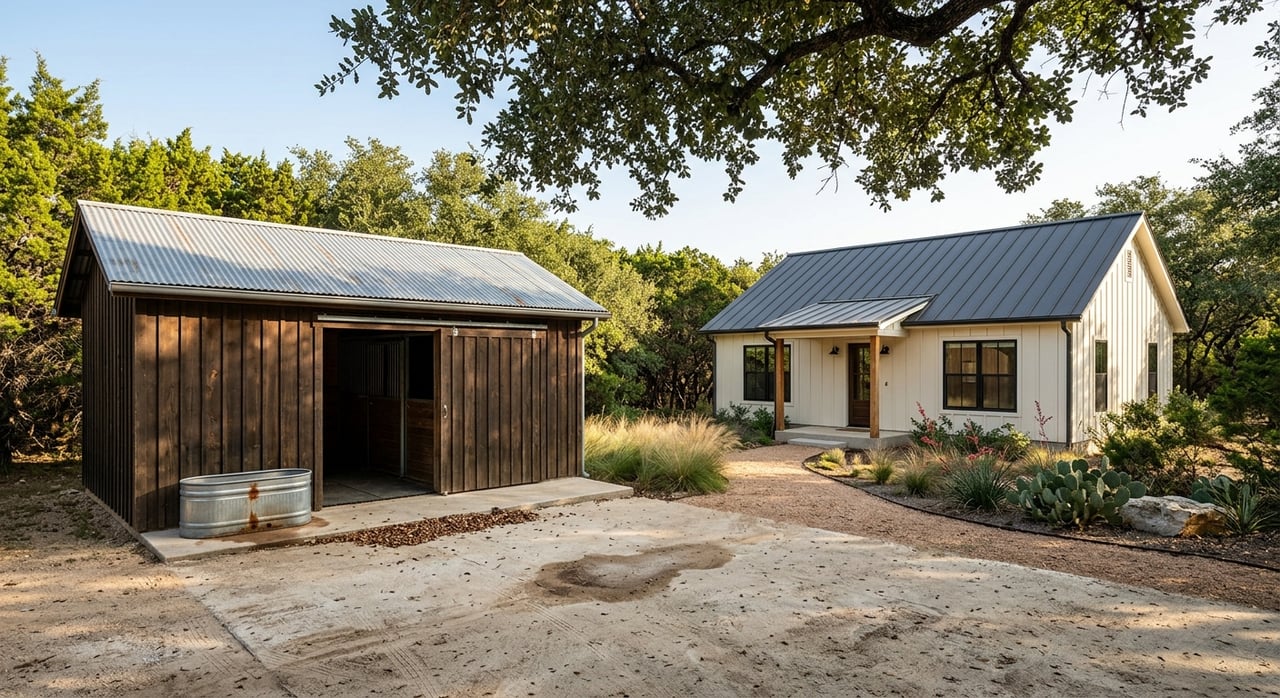
Weekend Ranches in Fayette County: What Buyers Need
May 28, 2026
May 28, 2026
Looking for a place where you can slow down on the weekends, spread out a little, and actually use the land you buy? Fayette County draws buyers for exactly that reason. If you are considering a country home or weekend ranch here, it helps to understand not just the scenery, but how the property may function day to day and over time. Let’s dive in.
Fayette County is a rural market by any measure. The U.S. Census Bureau reports 24,435 residents spread across 949.93 square miles of land, which works out to about 25.7 people per square mile.
That low density is a big part of the appeal if you want privacy, open space, and a break from a more crowded suburban setting. For many buyers, the draw is not just a house. It is the chance to own acreage that supports a quieter lifestyle.
The county also has a strong small-town identity. Local community descriptions point to La Grange as the county seat and highlight communities such as Round Top, Schulenburg, Flatonia, Fayetteville, Winedale, and West Point.
For weekend buyers, Round Top often stands out because of well-known local attractions like the Round Top Antiques Fair, Festival Hill, and Henkel Square. Winedale also adds to the area’s rural character with its 190-acre historical center.
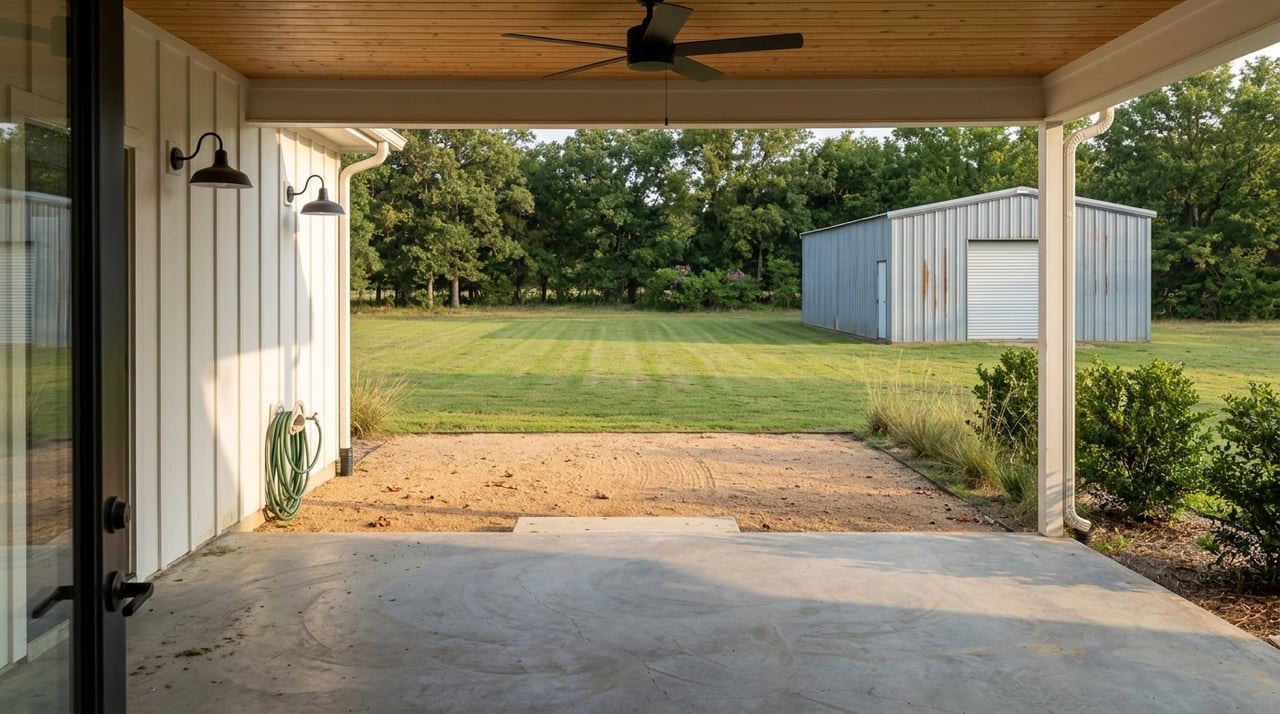
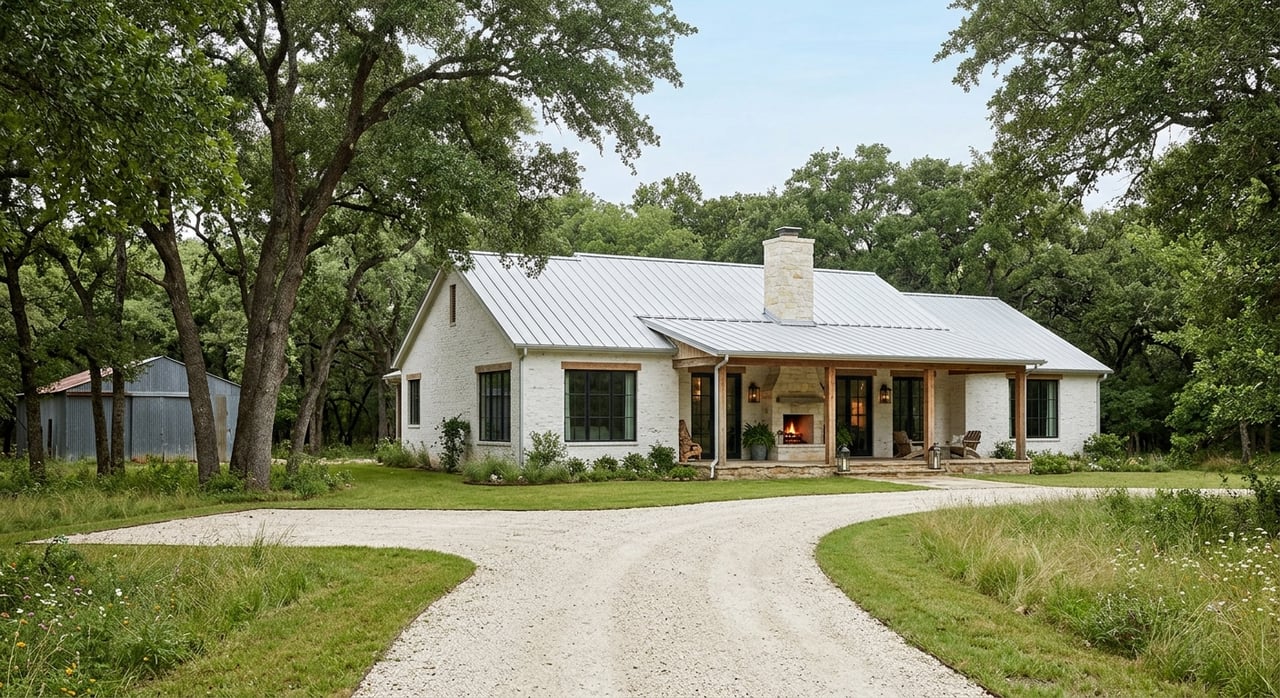
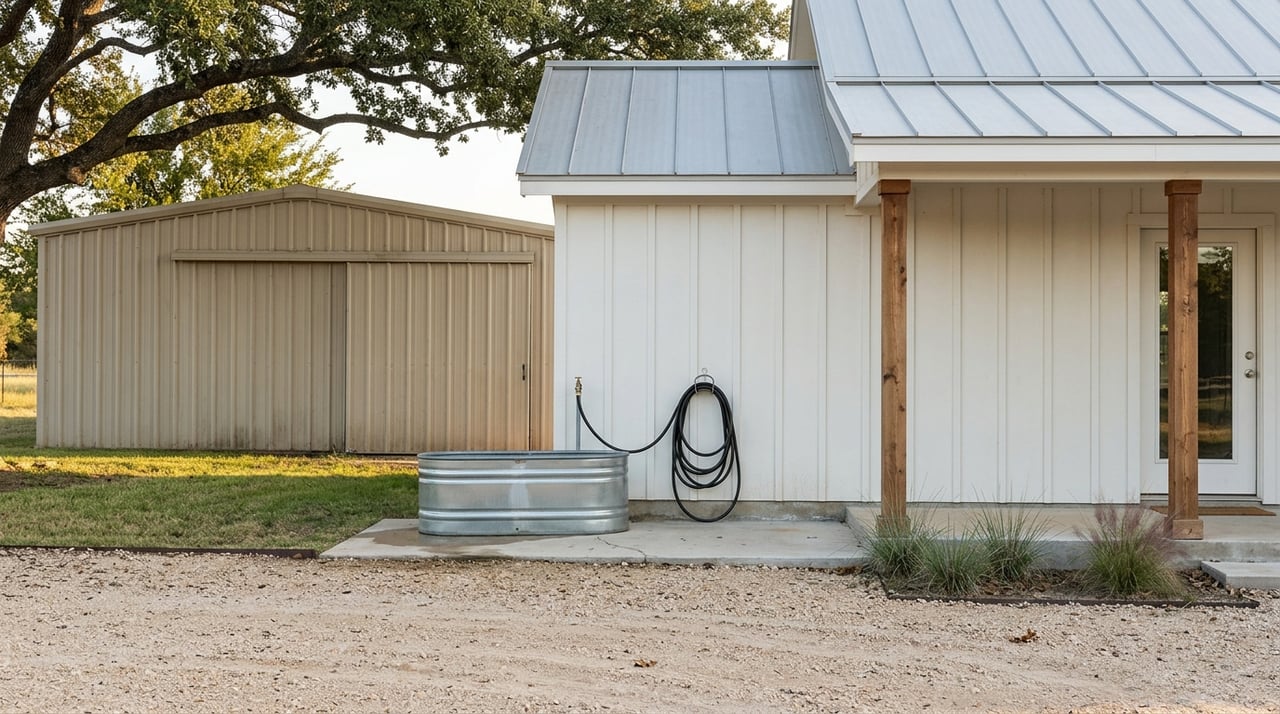
In Fayette County, a country property can take several forms. You may see rural homes on a few acres, hobby-style retreats, recreational tracts, horse properties, or larger legacy ranch holdings.
That variety is one reason buyers need to look beyond the listing photos. A property may look like a ranch, but its actual use, layout, and tax status can be very different from what you expect.
The Fayette County Appraisal District makes an important distinction here. Its agricultural guidelines say rural land does not qualify for agricultural valuation simply because it is in the country, and hobby farming or ranching does not count as primary agricultural use.
The same guidelines state that agricultural use generally must be the primary use of the land for 5 of the last 7 years. They also note that tracts under 15 acres are usually considered agricultural only if they are vacant and part of a larger contiguous operation.
So if you are shopping for a weekend ranch, it helps to think in practical terms. Is this truly a productive ranch tract, or is it better understood as a rural residence with extra land and flexible personal use?
When you buy rural property, you are not only buying views and open space. You are buying the property’s ability to work for the lifestyle you want.
That could mean space for horses, room for family gatherings, wildlife observation, or light land stewardship. It could also mean wanting a manageable retreat that does not become a long list of expensive surprises.
Fayette County’s geography supports that kind of flexible use. County community descriptions reference prairie land, creek bottoms, river-adjacent areas, and wooded or historic places such as Ross Prairie, Cummins Creek Bottom, and Colorado River communities.
For many buyers, that mix creates a setting that works well for recreation, time outdoors, and low-intensity land use. It is one reason Fayette County continues to appeal to people who want a property they can enjoy, not just own.
In unincorporated Fayette County, development is regulated more than many buyers expect. The county states that all development must be permitted, including homes, barns, driveways, water wells, utility poles, ponds, bridges, culverts, and dirt work.
That matters whether you are buying raw land or an improved property. If you plan to add a barn, improve access, build a guest space, or reshape part of the land, you need to understand what approvals may be required.
Floodplain questions should come up at the very start of your search. Fayette County’s floodplain office requires permits or exemption certificates for development in the FEMA 1% annual-chance floodplain.
The county’s floodplain packet also says residential structures in identified flood hazard areas must have the lowest floor elevated 3 feet above base flood elevation. If a property includes creek bottom, river-adjacent land, or low-lying areas, this is a major usability item to review before you move forward.
For country homes and weekend ranches, septic is never a minor detail. Fayette County says all OSSF work, including installations, repairs, alterations, and tank replacements, must be permitted, inspected, and approved.
If you are buying vacant land or an older home, you will want clear answers about the existing system or the feasibility of a new one. In many rural transactions, septic is one of the first practical questions to answer.
Water planning is another core issue in Fayette County. The county’s landowners guide warns that water shortages can occur during droughts and hot Texas summers.
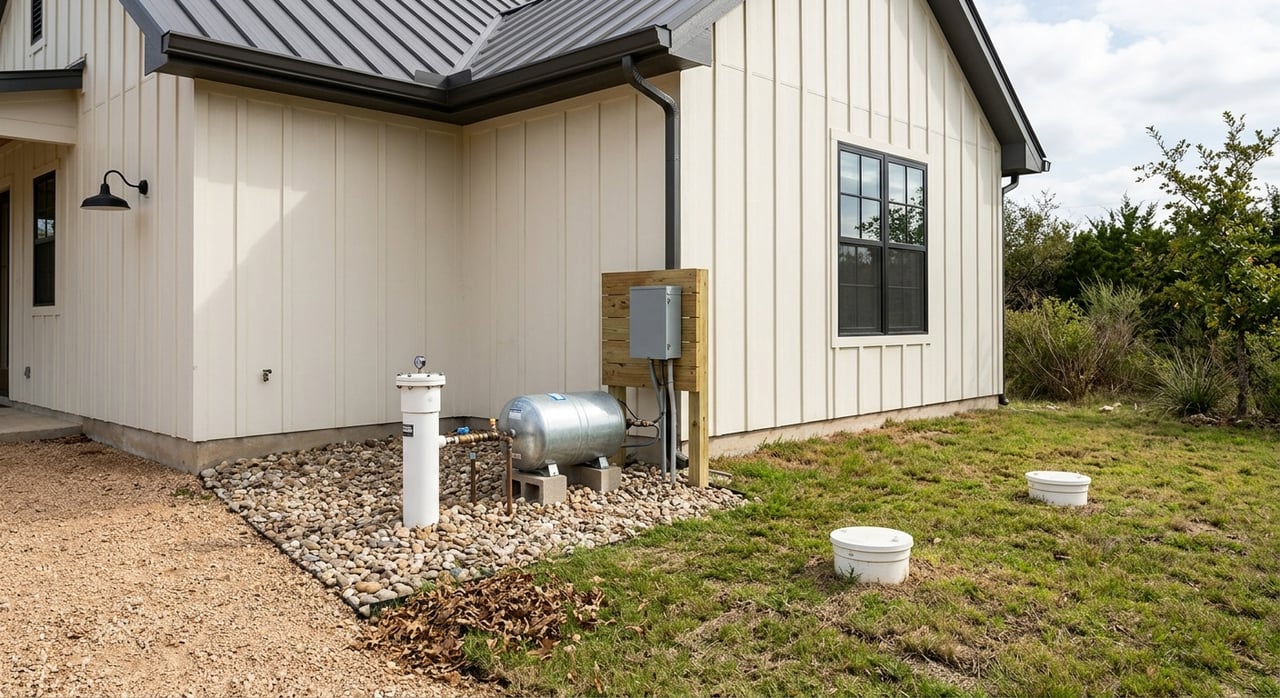
The Fayette County Groundwater Conservation District also requires all water wells to be registered, and all non-exempt wells must be permitted. For acreage buyers, water source, well status, and long-term supply should be treated as central parts of due diligence.
Access is about more than getting in and out easily. It affects everyday use, deliveries, emergency response, and future improvements.
Fayette County says its 9-1-1 Addressing Office is the sole addressing agent for unincorporated rural areas, and the addresses it assigns are recognized by the U.S. Postal Service. Road naming and driveway location may sound administrative, but they matter in real life.
If you are buying with future plans in mind, do not skip subdivision questions. Fayette County’s guidance says dividing land is regulated by law.
The county’s application FAQ states that non-family divisions for residential development generally need to be at least 2 acres so there is room for an OSSF and a water well where rural water is unavailable. If a property is inside a municipality or in a city’s extraterritorial jurisdiction, stricter rules may apply.
This matters if you hope to divide off acreage later, create a second homesite, or plan for long-term family use. A tract’s current layout may not tell you the whole story about future options.
Property taxes can have a real impact on the cost of owning rural land. In Texas, agricultural, timberland, and wildlife-management valuation are special appraisal categories under state law.
In Fayette County, qualification is documentation-driven as well as use-driven. FCAD says it may ask for records such as feed or fertilizer invoices, equipment invoices, sales receipts, labor expenses, or IRS Schedule F to verify productive use.
That is especially important for inherited or long-held family property. Informal use may feel obvious to an owner, but documentation often matters when valuation questions come up.
For smaller acreage, wildlife management and beekeeping may also be relevant. FCAD’s 2024 guidelines say wildlife-management use requires at least three approved management practices and, for newer tracts, a 16.67-acre minimum unless the tract falls into specific smaller wildlife categories.
The same local guidelines recognize beekeeping as a qualifying agricultural use under their framework. That does not mean every small tract will qualify, but it does show that some lighter-intensity land uses can matter in Fayette County.
FCAD also notes that 1-d-1 open-space agricultural-use applications are due by April 30. If valuation is part of your ownership plan, timing and paperwork matter.
Small acreage can be especially appealing for weekend buyers. It may offer manageable upkeep, a lower total purchase price than a large ranch, and enough room for privacy and outdoor use.
But smaller tracts often need closer review. You will want to know whether the land can support your intended use, whether water and septic are realistic, and whether any tax assumptions actually hold up.
Texas A&M Real Estate Research Center notes that the small-land market often serves families looking for homesites, recreational users, flexible investors, and nearby farm managers. It also reports that smaller tracts often command a higher per-acre price than larger holdings.
That is one reason it helps to focus on usable acreage, not just the total number of acres. A smaller property that functions well may be a better fit than a larger one with costly limitations.
If you are selling a country home or legacy property in Fayette County, buyers will usually look hard at the land details. They want to understand water, access, septic, floodplain status, improvements, and whether the tract supports their long-term plans.
Clear records can help your property stand out. If you have agricultural documentation, well information, survey materials, or permit history, having that organized can support a smoother sale.
This is especially true for multi-generational properties. Buyers often appreciate the history, but they still need practical answers about how the property works today.
Broader Texas land data helps frame the conversation. Texas A&M’s Real Estate Research Center reported that the Texas rural land market ended 2025 on firmer footing than the prior year, with statewide nominal prices reaching $5,214 per acre and sales up 8.16% year over year.
In the same fourth-quarter 2025 report, Fayette County appears in the Gulf Coast-Brazos Bottom region, where rural land prices averaged $11,502 per acre and the typical tract size was 129 acres. That is regional context, not a Fayette County median, but it still helps show the market Fayette County buyers are stepping into.
For you as a buyer, the bigger takeaway is simple. In a market like this, understanding the land’s function can be just as important as understanding the asking price.
The best country homes and weekend ranches in Fayette County are not just attractive on the surface. They are properties that match the way you want to live and hold up well under real-world questions about water, septic, access, floodplain, and long-term land use.
That is where practical guidance matters. If you want to buy or sell rural property in Fayette County, working with someone who understands acreage, improvements, and everyday usability can help you make a more confident decision.
If you are thinking about a country home, a weekend retreat, or a land sale in Fayette County, Caitlin Jacob can help you evaluate the details that matter and move forward with clear, honest guidance.
Stay up to date on the latest real estate trends.
Whether you’re buying your first home or selling a property, Caitlin Jacob delivers attentive service and market insight to help you achieve your real estate goals in South Central Texas and surrounding areas.