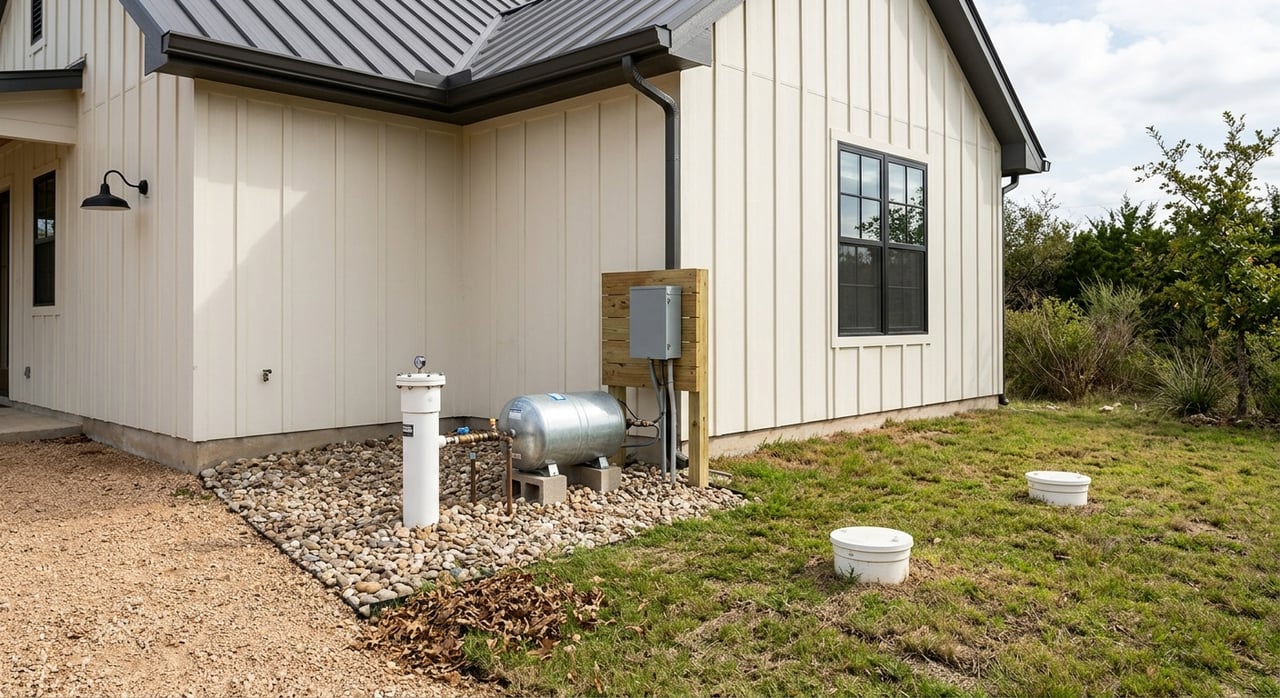
Fayette County Rural Utilities: Wells, Septic, and Access
June 4, 2026
June 4, 2026
Buying land in Fayette County can feel simple at first glance. You see open space, a driveway, maybe a well head or septic tank, and it is easy to assume the basics are covered. But in rural property, water, wastewater, and legal access often matter just as much as the land itself, and the paperwork behind those items can make a big difference. If you are comparing tracts, planning a move to the country, or getting ready to sell, this guide will help you understand what to check and why it matters. Let’s dive in.
In Fayette County, rural tracts are often judged on three practical items: the water source, the wastewater system, and legal access. A property may look usable in person but still create risk if one of those pieces is missing records, depends on a permit, or relies on an easement or maintenance obligation.
That is why due diligence on rural property is different from what many buyers expect in town. With acreage, you are not just evaluating the house or the view. You are also looking at whether the tract is properly documented for everyday use and long-term ownership.
Fayette County Groundwater Conservation District requires all wells in the county to be registered, regardless of use. If a well is going to be drilled, a registration form must be filed before drilling, and non-exempt wells need a permit before drilling as well.
If a property changes hands, the district says the current owner must also file a transfer of ownership form. The district’s FAQ states there is no charge to register a well, which makes this one of the first records worth confirming during a transaction.
New wells in Fayette County must follow spacing rules. The district says a new well must be at least 50 feet from the nearest well or property line unless a variance is granted.
That may sound like a small detail, but it can affect where a future well can go on a tract. If you are buying raw land or a smaller acreage property, spacing rules are part of understanding what the land can realistically support.
For buyers, the well report and local district file are some of the most useful documents to review. According to the Texas Water Development Board, well records can include the well’s location, depth, owner, driller, construction details, aquifer, water level, and water-quality data.
Those records can help you understand more than whether a well exists. They can also give you context about construction, age, and whether key details were documented properly at the time the well was drilled.
One of the most important things to know about private wells is that the state does not regulate the water quality of private wells. The Texas Water Development Board says the owner is responsible for testing the water and handling any treatment that may be needed.
That means recent water test results matter. If you are buying a property with a private well, asking for those results is a practical step, not just a nice extra.
Texas requires a license to drill a water-related well and to install a pump for a water-related well. If drilling or pump work was done recently, it is smart to ask who performed the work and whether it was done by properly licensed professionals.
For rural buyers, this is part of looking past the surface. A functioning well today is important, but documented, compliant work can help reduce surprises later.
In Texas, onsite sewage facilities, often called OSSFs, include septic systems and holding tanks. The Texas Commission on Environmental Quality says a permit and approved plan are required to construct, alter, repair, extend, or operate an OSSF.
Fayette County adds another layer of local oversight. The county states that OSSF installations, repairs, alterations, tank replacements, and other wastewater-discharge-related activity must be permitted, inspected, and approved.
TCEQ says OSSFs should be designed from a site evaluation that reflects local conditions. That matters because soil, drainage, and layout can affect what kind of system is appropriate for a property.
For you as a buyer, that means a septic system is not just a tank in the ground. It is a permitted system that should match the site conditions of the tract.
Some properties have aerobic systems instead of conventional septic systems. Fayette County’s maintenance affidavit states that certain OSSFs require a continuous maintenance contract, that maintenance must be done by an approved company, and that the signed contract must be submitted within 30 days after a property transfer.
This is an easy area to overlook during a purchase. If the property has an aerobic system, you will want to know whether there is a current maintenance contract and what service history is available.
TCEQ says conventional septic tanks are commonly pumped every three to five years. Aerobic systems generally need more maintenance and may be subject to stricter local requirements.
That does not automatically make one system better or worse for every buyer. It does mean you should understand the ongoing care involved before you close.
On rural property, wells and septic systems cannot be evaluated separately. The Texas Water Development Board says a new well should be at least 50 feet from a septic tank, 100 feet from a drain field or spray area, and 50 feet from a property line.
That relationship is a key field-check item when you compare tracts. A property may have both a well and septic, but the placement still matters if you are planning future improvements, repairs, or additional building sites.
This is one reason I always encourage buyers to think about land usability, not just current appearance. If the house, septic layout, and well location are all packed into one area, future flexibility may be limited.
For example, a tract might work fine today but become harder to improve if you want to add a structure, replace a system, or change the homesite footprint later. Good documentation and thoughtful layout both matter.
One of the most common rural property misunderstandings is assuming that because a road or driveway exists, access is fully settled. In reality, legal access should be documented, especially when a tract depends on an easement or narrow access strip.
That is a major issue in Fayette County land due diligence. The county’s subdivision regulations make recorded access central to how resulting tracts are evaluated.
Fayette County subdivision regulations require each resulting tract to have separate, individual, exclusive access to a public road. If a tract uses a narrow access path, that path must be owned in fee or easement, conveyed with the tract, and recorded in the county public records.
The rules also say tracts with less than 60 feet of frontage or access can be barred from further division, though some family transfers may use a 40-foot shared access path. If future division matters to you, frontage and recorded access deserve extra attention.
This catches many buyers off guard. TxDOT notes that a road used every day is not automatically a public road.
TxDOT says county-road candidates must be open to the public, free of access restrictions such as gates or no-trespassing signs, and passable for public use. So if a tract appears to be served by a road, it is still worth confirming what type of road it is and what rights come with it.
If a property’s access touches a state highway, TxDOT says a driveway permit is required for new or modified access driveways. TxDOT also states that shared frontage for a common driveway can be authorized, and private driveways are generally built and maintained by the property owner.
TxDOT also says driveway design must account for drainage, utility conflicts, and other right-of-way issues. In other words, putting in or changing a driveway may involve more than just clearing a path.
For county right-of-way, Fayette County’s culvert and driveway permit form says any changes to county right-of-way must be approved by the commissioner. The permit must be signed by the property owner and commissioner before submission.
If you are buying land with plans for a new entrance, expanded driveway, or culvert work, this is worth checking early. It can affect both timing and what improvements are allowed.
When you compare rural property in Fayette County, it helps to use a simple framework: documented water, documented wastewater approval, and documented legal access. That approach lines up with the county and state rules behind wells, septic systems, and access.
Here are practical questions to ask:
For buyers, these records help you understand whether a property supports the lifestyle and use you have in mind. That is especially important if you are moving from a more urban area into rural Fayette County and want confidence in how the property functions day to day.
For sellers, having these items organized can make your property easier to evaluate and easier to market clearly. When well records, septic documentation, and access details are easy to verify, buyers can move forward with fewer unknowns.
Rural real estate is often about more than what you can see from the gate. The land needs to work on paper too. That is where clear, practical guidance can make a real difference.
If you are buying or selling acreage in Fayette County and want help evaluating the details that affect long-term usability, reach out to Caitlin Jacob.
Stay up to date on the latest real estate trends.


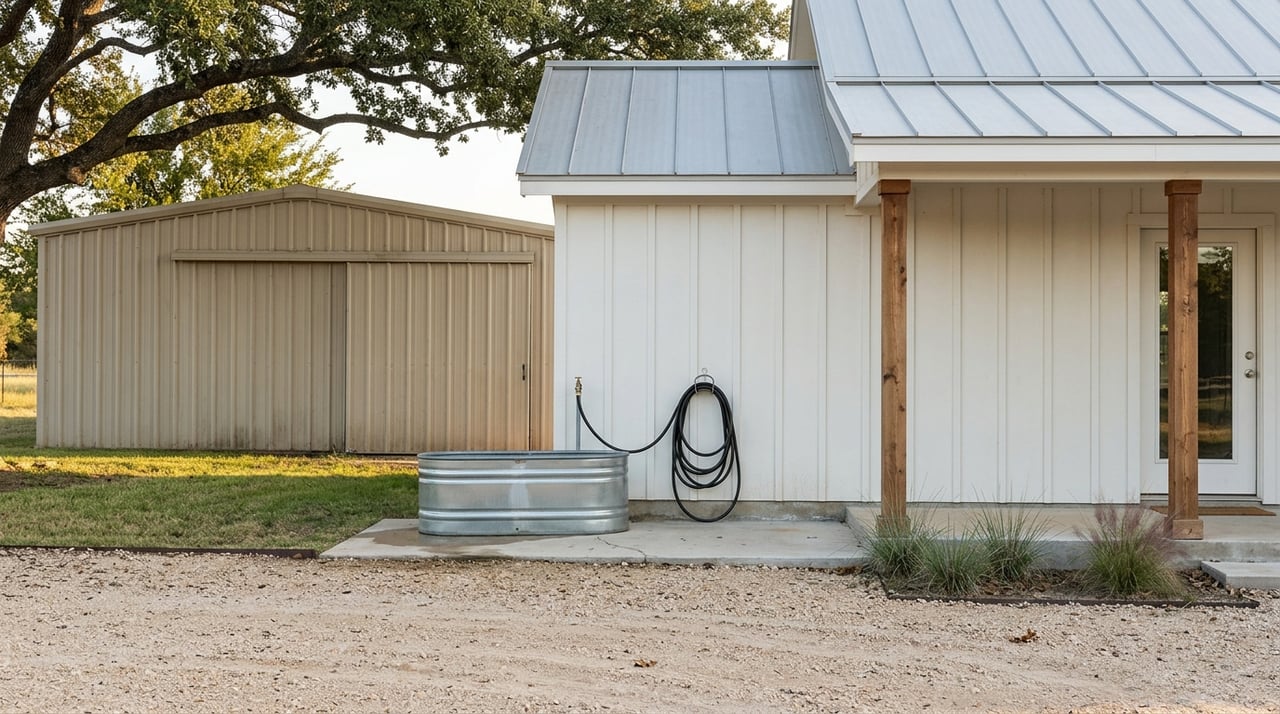
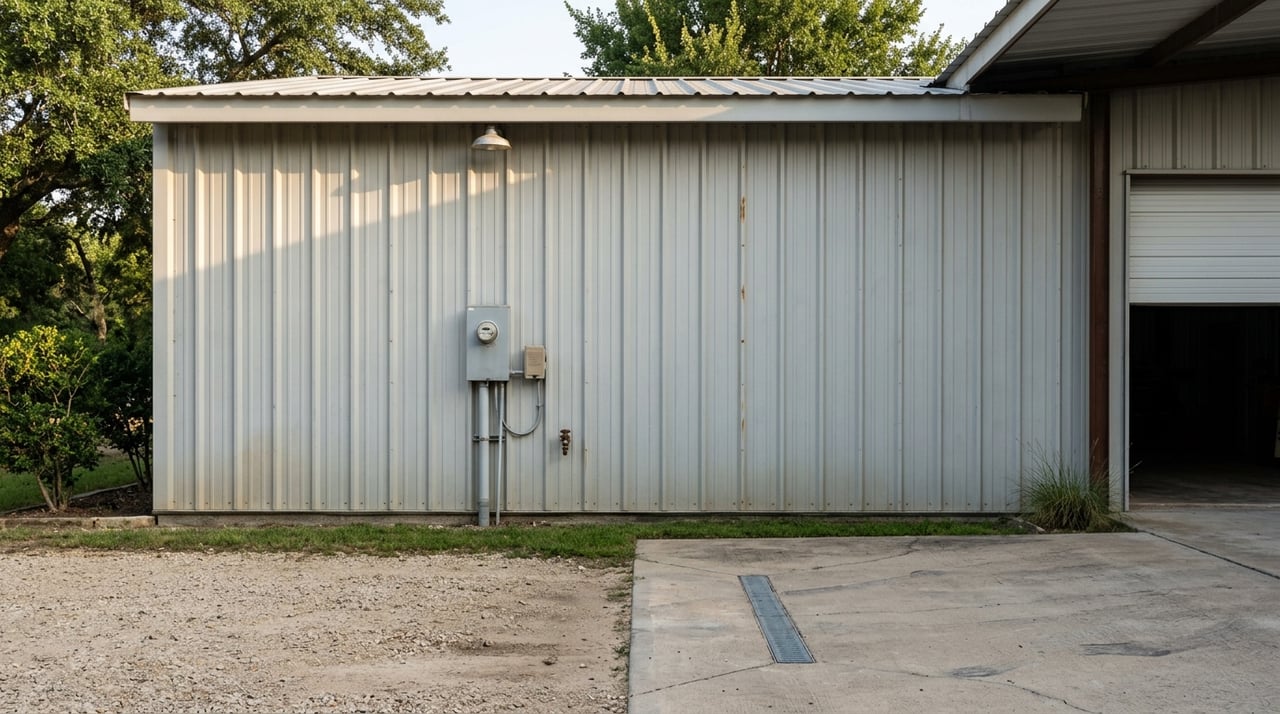




Whether you’re buying your first home or selling a property, Caitlin Jacob delivers attentive service and market insight to help you achieve your real estate goals in South Central Texas and surrounding areas.