Evaluating Ranch Improvements in Washington County
July 2, 2026
July 2, 2026
Buying a ranch in Washington County can feel exciting right up until you realize the acreage is only part of the story. A property may look turnkey at first glance, but barns, fences, access, water systems, and septic can have a huge impact on how the ranch works day to day and what it may cost you after closing. If you want to evaluate ranch improvements with more confidence, this guide will help you know what to look for, what to ask, and where careful due diligence matters most. Let’s dive in.
In Washington County, the appraisal district defines an improvement as a building or structure attached to land, and appraisers consider exterior features like construction type, age, size, and condition. That is a useful starting point, but for buyers, the practical definition is often broader. On a ranch, improvements can include barns, sheds, fences, pens, driveways, culverts, wells, utility systems, and septic.
The key is to evaluate these features as working assets, not just extras that come with the acreage. Washington County Appraisal District separates land value from improvement value, which is a good reminder that a great-looking ranch can still come with meaningful upkeep and repair needs. It is also important to verify acreage and legal descriptions independently before relying on appraisal records for legal purposes.
If a tract has agricultural valuation, keep that separate from the condition of the improvements. Washington County Appraisal District says the land must have at least five of the past seven years in agricultural use and must currently be devoted to agricultural use at a common local intensity. In other words, ag valuation history does not tell you whether the barn roof leaks or the fencing is ready for livestock.
When you walk a ranch, it is easy to be influenced by fresh paint, a neat entrance, or a tidy barn aisle. Those details matter, but they should not distract you from the bigger question: Does this improvement support the way you plan to use the property?
That question is especially important in Washington County because no building or electrical permits are required for new builds or additions in unincorporated areas, while other improvements may still require county permits. That means visual appeal alone is not enough. Records, maintenance history, and on-site condition become even more important when you compare one ranch to another.
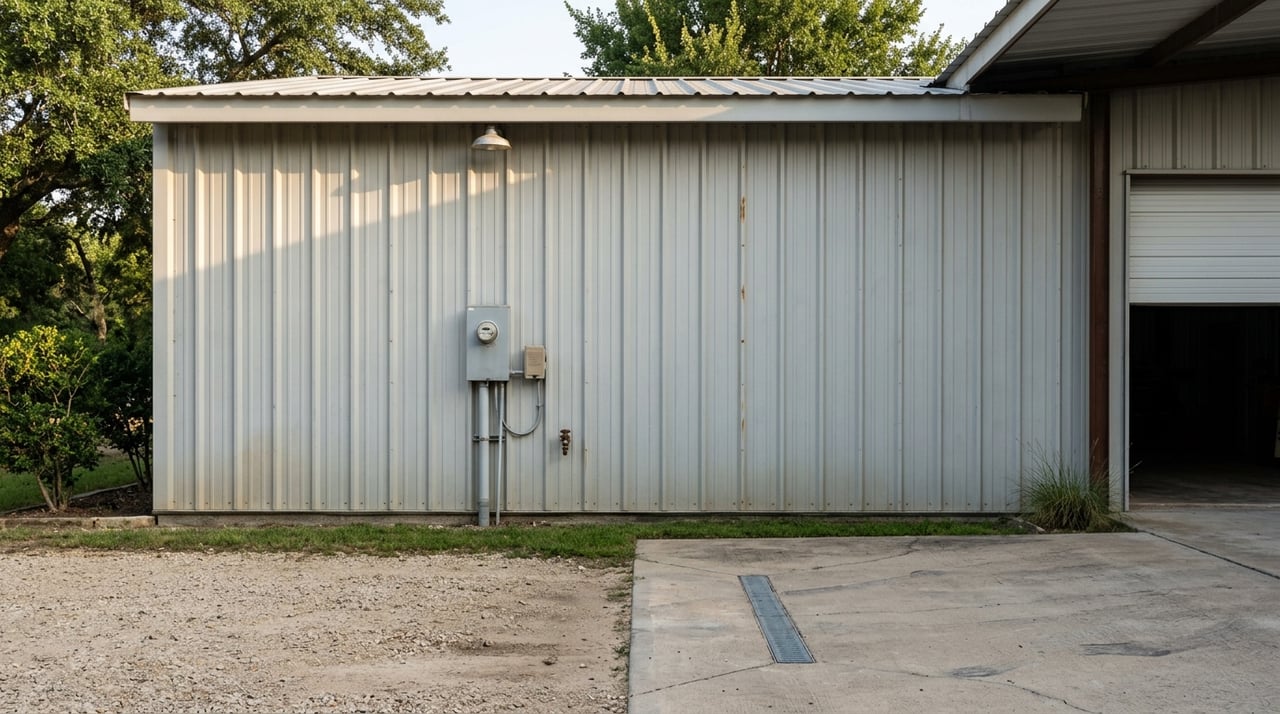
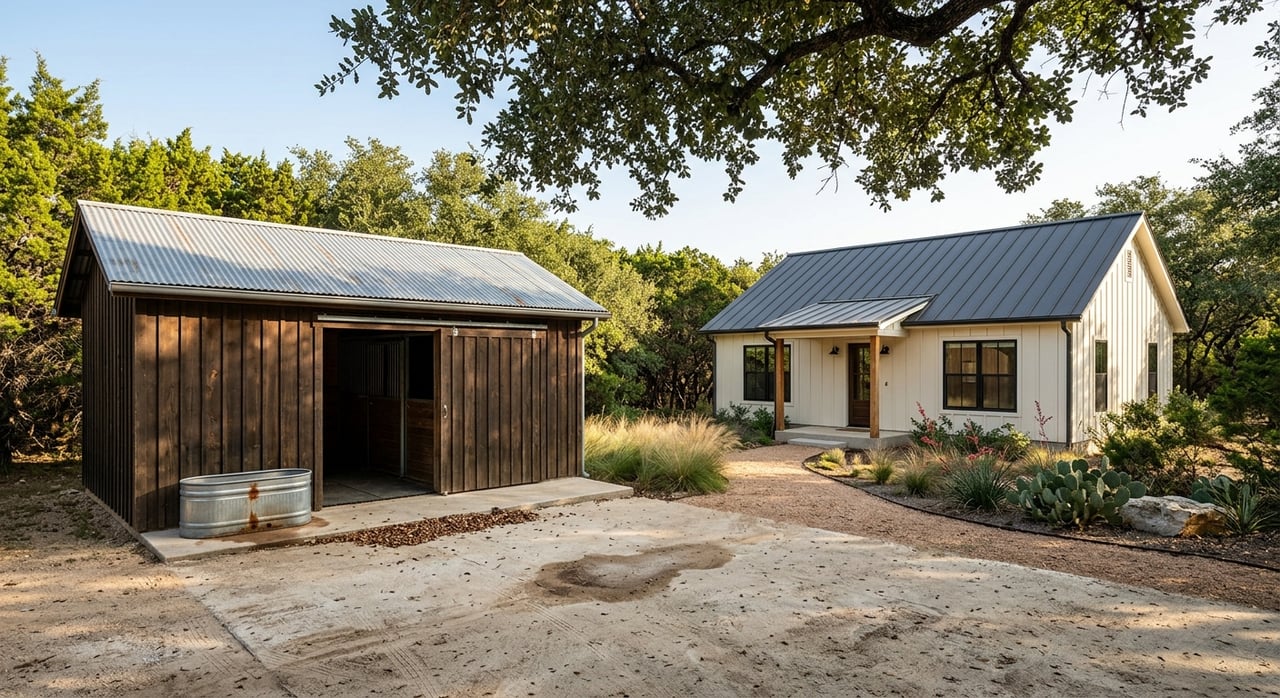
Barns, sheds, and covered work areas should make your daily routine easier, not harder. Texas A&M AgriLife notes that facility design affects animal health, safety, daily care, and efficiency. A layout that looks fine in photos may still create extra labor, stress, or safety issues when used every day.
As you tour the property, pay attention to the structure itself and how it functions. Look at:
A simple barn can be a strong asset if it fits your needs. A larger barn with poor drainage, awkward access, or a layout that does not match your operation may be less valuable to you in real terms.
Fencing is one of the most important ranch improvements to evaluate because it affects both usability and ongoing maintenance. AgriLife materials identify water and fences as core parts of ranch stewardship, and fence responsibilities can vary depending on local stock-law status and other obligations.
Do not judge fencing from the truck window. Walk fence lines where possible and inspect corners, braces, and gates. Look for leaning posts, rust, broken wire, weak stretches, and signs that the fence is more cosmetic than functional.
Cross-fencing also deserves special attention. It may add flexibility for grazing, horses, or separating livestock, but only if the layout works and the fencing is in dependable condition. A ranch with boundary fence only will function very differently from one with well-planned interior divisions.
Working areas should be judged by safety and flow, not by how clean they look on showing day. AgriLife points out that layout, space, movement, and footing can affect soundness, behavior, and daily operations. That makes these improvements especially important if you plan to handle horses or livestock regularly.
As you walk pens and alleys, consider whether animals can move naturally through the setup. Check whether gates swing where they should, whether sorting space feels practical, whether the footing drains well, and whether trailer access is wide and straightforward for loading.
Even a smaller setup can be useful if it is thoughtfully arranged. On the other hand, a large working area with poor drainage, tight turns, or awkward gate placement may create frustration and safety concerns.
Road access can be one of the biggest long-term variables on a rural property. In Washington County, Engineering and Development Services handles road construction, drainage, low-water crossings, culverts, and driveway access. The county also requires a culvert permit for a driveway fronting a county-maintained road.
That means you should ask more than just, “Can I get in and out easily today?” You should also find out whether the property depends on a county road, a private road, an easement, or a low-water crossing that could be affected during heavy weather.
Here are a few smart access questions to ask:
A ranch with beautiful improvements will feel very different if access is unreliable after storms.
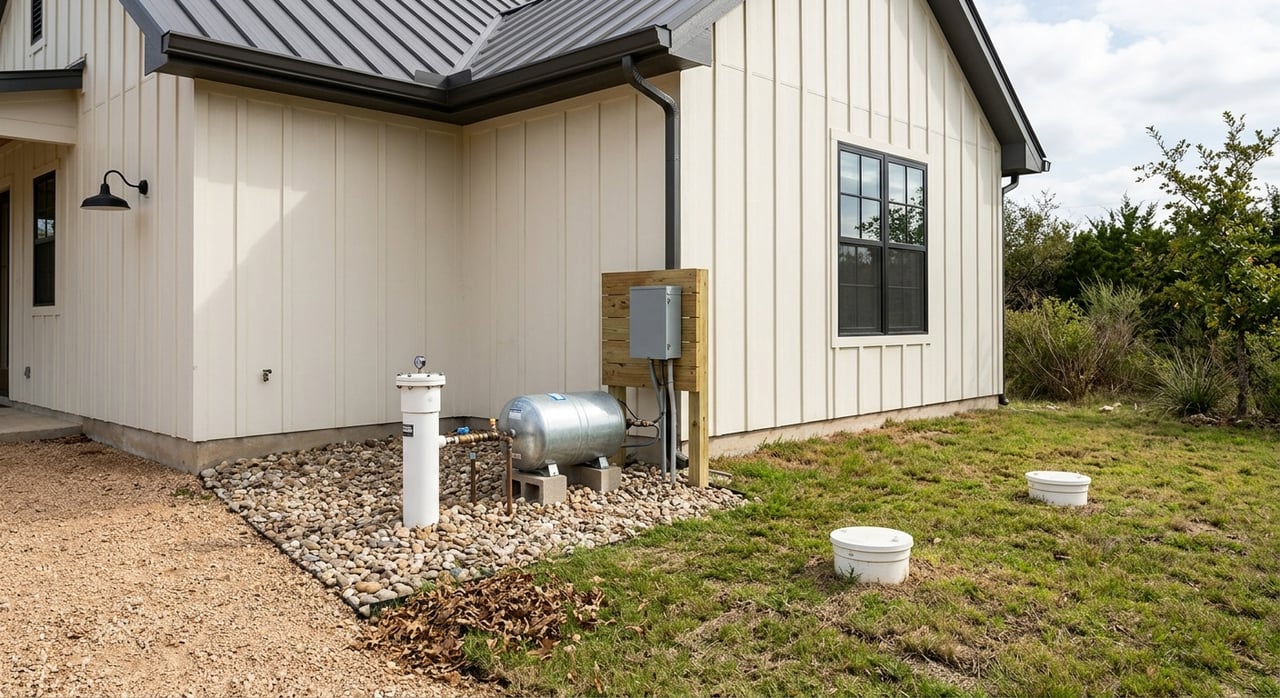
Utilities deserve careful attention because the maintenance burden can differ a lot depending on the setup. If a property uses a public water system, testing requirements are handled differently than with a private well. TCEQ says public water systems in Texas must regularly test for 102 contaminants, while private well owners are responsible for regular testing of their own drinking water.
If the ranch has a private well, gather as much background as possible. The Texas Water Development Board recommends looking up details such as original owner, drill date, driller, depth, and casing. Washington County also points buyers toward water-well report resources and local AgriLife help for water testing.
For a private well, ask for:
This is one area where paperwork can save you from costly surprises.
Septic systems can have a major effect on both usability and future costs. TCEQ says on-site sewage facilities generally require a permit and approved plan before construction, alteration, repair, extension, or operation. Washington County adds that all new, altered, repaired, or enlarged septic systems require a permit before work begins, regardless of acreage.
If the property has an aerobic system, Washington County requires a registered maintenance provider and a two-year maintenance contract. The county also requires joined-properties paperwork when a structure and septic are located on separate tracts.
When you evaluate septic, ask for:
A ranch may look self-contained, but septic compliance and documentation still matter before closing.
Floodplain issues can affect more than the house site. Washington County participates in the National Flood Insurance Program, and the county says floodplain authorization is required before development or construction related to the floodplain begins. For ranch buyers, that can affect barns, pads, driveways, pens, and future additions.
This is why drainage should be part of your improvement review. Look for standing water, erosion, washed-out areas, muddy traffic zones, and any signs that improvements are difficult to use year-round. A solid setup in dry conditions may function very differently after a heavy rain.
One of the best habits when buying a ranch is to compare the property records with what you actually see on site. Washington County Appraisal District notes that property values are preliminary and that legal descriptions and acreage should be verified for legal purposes. Appraisal records can help you identify improvements, but they should not replace your own walk-through and supporting documents.
Try to match each major improvement with available records. If you see a barn, driveway, culvert, well, or septic system, ask when it was installed, repaired, or expanded and whether records exist. This simple step can help you spot missing information early in the process.
If you are touring ranches in Washington County, keep a running list of questions with you. A good showing is not just about seeing the property. It is about understanding how the ranch operates.
Ask questions like these:
These questions can help you move past surface impressions and focus on how the ranch may perform over time.
On a Washington County ranch, improvements are not just part of the scenery. They influence safety, access, daily workload, flexibility, and future expenses. A property with the right layout and solid maintenance history can save you time and money, while one with hidden issues can quickly become more demanding than expected.
That is why a practical, detail-oriented review matters so much. When you evaluate barns, fencing, access, water, drainage, and septic with care, you put yourself in a better position to choose a ranch that truly fits your goals.
If you are comparing ranch properties in Washington County and want a second set of eyes on the land, improvements, and long-term usability, Caitlin Jacob is here to help you sort through the details with clear, responsive guidance.
Stay up to date on the latest real estate trends.
Whether you’re buying your first home or selling a property, Caitlin Jacob delivers attentive service and market insight to help you achieve your real estate goals in South Central Texas and surrounding areas.