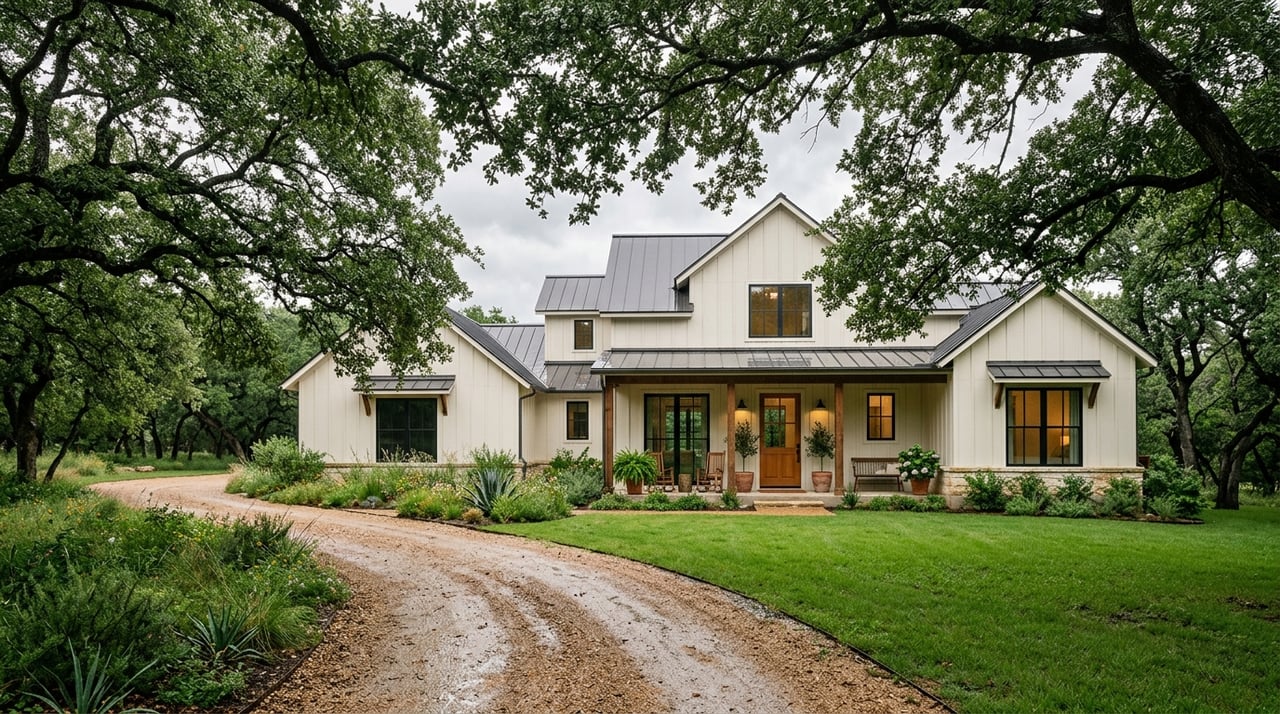
Moving From The City To A Fayette County Country Home
June 18, 2026
June 18, 2026
Thinking about trading traffic, tight lots, and city noise for open space in Fayette County? That move can be exciting, but it also comes with a different set of questions than a typical suburban home search. If you are considering a country home here, you need more than a pretty porch and a few acres. You need a clear picture of commute routes, water, septic, flood risk, and how the land will function day to day. Let’s dive in.
Fayette County offers a rural setting with room to spread out, but it is not isolated. The county covers 949.93 square miles and had an estimated population of 25,459 as of July 1, 2025. That works out to about 25.7 people per square mile, which gives you a good sense of how different the pace and layout can feel compared with a city environment.
You still have access to service hubs across the county. Fayette County identifies La Grange as the county seat and largest town, with governmental, commercial, medical, civic, and cultural facilities. Other communities listed by the county include Schulenburg, Flatonia, Fayetteville, Round Top, Carmine, and Ellinger, which means your daily routine may center around one of several small-town service areas rather than one large city.
Countywide housing data also gives you a useful baseline as you plan your budget. The Census Bureau reports a median owner-occupied home value of $293,900, median monthly owner costs of $1,682 with a mortgage and $624 without one, and a median household income of $75,854. Those numbers do not define every property, but they can help you compare a country-home budget to what you may be used to in a metro market.
Moving to a country home usually changes more than your address. In Fayette County, that often means a more hands-on ownership experience, especially if you are buying acreage or a home outside town. Instead of relying on standard city utility setups, you may be managing parcel-specific systems and access points.
That shift is part of the appeal for many buyers. You may gain space, privacy, and flexibility, but you also need to look closely at how the property works. A home can look perfect online and still have due-diligence issues that affect cost, convenience, or long-term usability.
In Fayette County, location matters at the road level, not just the town name. Fayette County notes that La Grange sits on State Highway 71 and U.S. Highway 77, Carmine is on U.S. Highway 290, Schulenburg is on Interstate 10 at U.S. Highway 77, Round Top is on Highway 237 at FM 1457, and Warda is on U.S. Highway 77. That layout can make one property a much better fit for your work and travel needs than another, even if both are in the same county.
For many city-to-country buyers, commute tolerance is the first reality check. Third-party route estimates place La Grange about 62 miles from Austin, 101 miles from Houston, and 111 miles from San Antonio. The key takeaway is simple: Fayette County can work well if you choose the right area and are comfortable with a longer, highway-based drive.
If you plan to commute even part time, think beyond mileage. You will want to consider how often you need to be in the city, which highway corridor feels most practical, and how much daily drive time fits your lifestyle. A property that feels peaceful on a Sunday afternoon can feel very different on a Tuesday morning if the route does not match your routine.
When you move from the city to the country, your due diligence list needs to expand. In Fayette County, several issues should be reviewed early because they can affect both livability and cost.
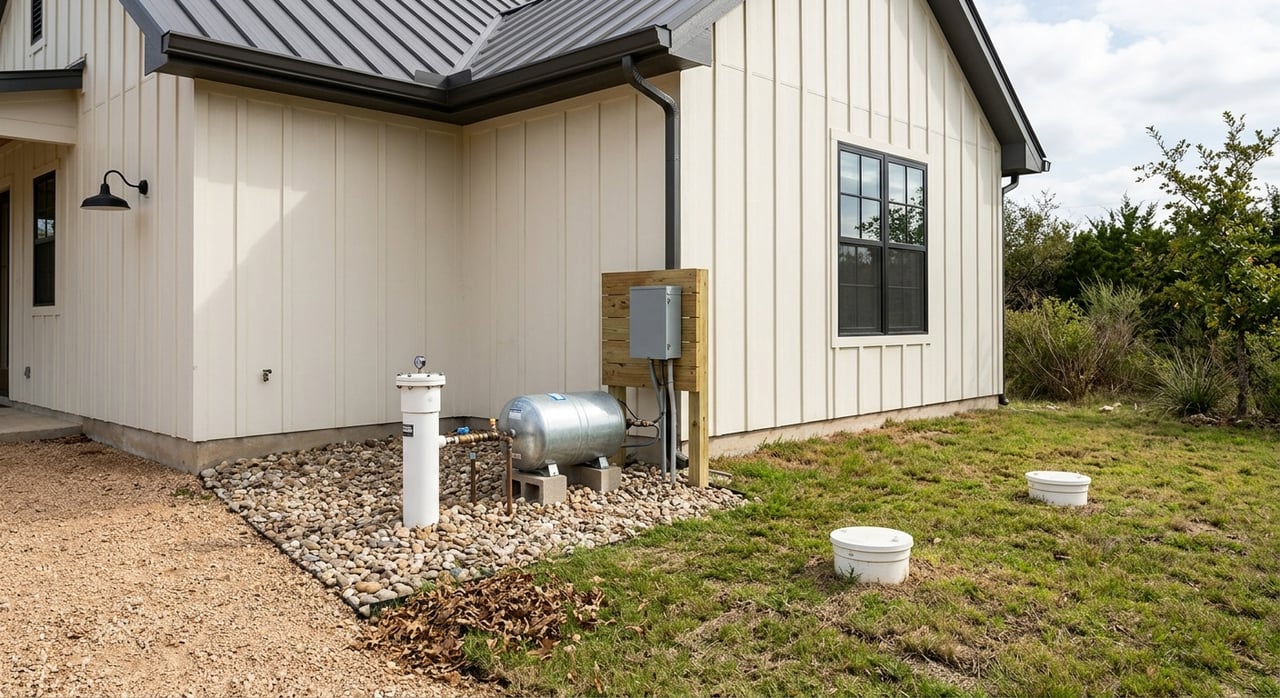
Water is one of the most important items to verify on a rural property. The Fayette County Groundwater Conservation District states that all wells must be registered before drilling, ownership-transfer paperwork is required when a property with a well changes hands, non-exempt wells need a permit, and new wells must meet spacing rules.
If a property has a well, you should confirm its status and what paperwork will be required at closing. If a property will need a new well, you should understand the local rules before you assume the process will be simple. This is one of those country-property details that deserves attention early, not after you are already emotionally invested.
Septic is another major difference from many city homes. Fayette County says OSSF installations, repairs, alterations, tank replacements, and related wastewater-discharge activity must be permitted, inspected, and approved under state and local rules.
That means you should ask about system condition, permit history, repairs, and maintenance responsibility. A rural home with an aging or undocumented system may require a closer look before you move forward. This is a practical issue, not a small paperwork item.
Flood risk should be part of your first pass on any tract near a creek, river, or low-lying area. Fayette County provides FEMA maps, flood-damage-prevention regulations, and flood-insurance resources, and it explains that floodplains are low areas adjacent to waterways that can inundate during heavy rain.
For city buyers, this can be one of the biggest mindset shifts. You are not just evaluating the house itself. You are also evaluating the land around it, drainage patterns, and whether parts of the tract may be affected by floodplain limitations.
A country property also needs practical access. Fayette County’s 911 office is the sole addressing agent for unincorporated rural areas and also serves Carmine, Ellinger, Fayetteville, and Round Top through interlocal agreements.
That matters because the exact driveway, road frontage, and 911 address all affect day-to-day use. Address signs also help improve emergency response, according to the county. For a rural buyer, that makes confirming the official address part of smart first-year planning.
If you work from home, stream heavily, or rely on strong connectivity, do not assume a country property will have the same service options you had in the city. Census data shows that 80.6% of households in Fayette County report a broadband subscription, which means coverage is common but not universal.
The safest approach is to verify internet availability at the exact property. Service can vary from road to road, and sometimes from one driveway to the next. This is especially important if remote work is part of your move.
If school access is part of your home search, verify the district tied to the specific parcel. Fayette County’s local-subdivision list includes La Grange ISD, Schulenburg ISD, Flatonia ISD, Fayetteville ISD, Round Top-Carmine ISD, Giddings ISD, Weimar ISD, and Smithville ISD.
Because the county spans multiple districts, it is important not to make assumptions based on a mailing address or nearby town. Confirming district boundaries early can help you avoid surprises related to commute planning, bus routes, or your overall search area.
Texas has no state property tax, so your tax planning is local. The Texas Comptroller explains that qualifying agricultural or open-space land may be appraised based on productivity value instead of market value. It also notes that a change from agricultural to non-agricultural use can trigger rollback tax.
If you are buying acreage, this can have a real impact on long-term ownership costs. A property’s current tax treatment may not stay the same if the land use changes after purchase. That is why it helps to understand how the property is being used now and whether that use supports its current appraisal status.
The first year in a Fayette County country home often comes with a learning curve, especially if you are used to city systems and services. According to the county-level guidance in the research, the usual priorities are confirming the 911 address, verifying road access, checking well and septic status, reviewing floodplain maps, confirming the school district, and determining whether the land can qualify for agricultural appraisal.
That list may sound detailed, but it is also what helps you settle in with confidence. A country home can be a great fit when you know what you are buying and how it will function over time. The goal is not to make the move complicated. It is to make sure the property truly supports the lifestyle you want.
A successful city-to-country move in Fayette County usually comes down to matching the property to your real life. The right home is not just about square footage or acreage. It is about drive time, access, water, wastewater, flood considerations, and whether the land works for your plans.
That is where practical guidance matters. When you are evaluating rural property, details that seem small at first can become major factors later. Taking a clear, step-by-step approach helps you buy with fewer surprises and a lot more confidence.
If you are thinking about moving from the city to a Fayette County country home, Caitlin Jacob can help you evaluate the property beyond the listing photos and focus on the details that matter most for rural living.
Stay up to date on the latest real estate trends.
Whether you’re buying your first home or selling a property, Caitlin Jacob delivers attentive service and market insight to help you achieve your real estate goals in South Central Texas and surrounding areas.