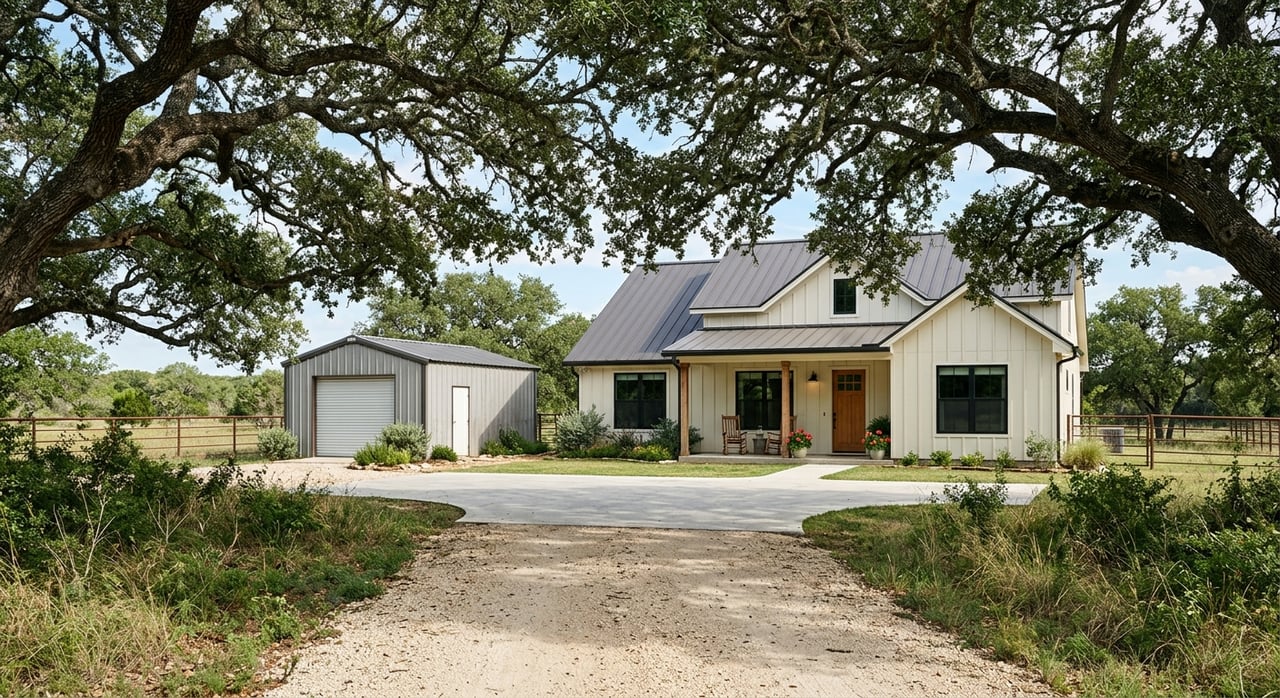
How Long Does It Take to Sell Land in Fayette County?
June 11, 2026
June 11, 2026
Thinking about selling land in Fayette County and wondering how long it will really take? That is one of the most common questions landowners ask, and the honest answer is that land sales often move on a different timeline than home sales. If you understand the steps ahead of time, you can avoid surprises, reduce delays, and make better decisions from day one. Let’s walk through the timeline.
Selling land in Fayette County is often more paperwork-driven than people expect. Raw acreage, rural tracts, and ranch properties may follow different contract paths depending on whether the property is unimproved land or a farm and ranch sale.
In Texas, TREC provides an Unimproved Property Contract for property with no physical buildings, additions, or fixtures, and a separate Farm and Ranch Contract for farm and ranch sales. That distinction matters because using the right contract form is part of keeping the transaction on track from the beginning.
County offices can also affect the timeline. In Fayette County, the County Clerk records deeds, plats, and mineral leases in the Official Public Records, and other county offices may become involved if the tract needs an address, floodplain review, or septic approval.
For many sellers, this is the phase that controls the whole timeline. A straightforward tract may take about 1 to 3 weeks to prepare for market, but properties needing cleanup, title work, survey updates, floodplain review, septic work, or subdivision approval can take much longer.
Before listing, you should confirm the deed, legal description, current tax status, easements, and any mineral reservations or leases. If the property has agricultural appraisal status, that also deserves attention before you go live.
Fayette CAD appraises real property in the county, and the Texas Comptroller says agricultural appraisal depends on current agricultural use and intensity. If that use changes, rollback tax can apply, so it is important to understand that issue early rather than after a buyer starts asking questions.
If you inherited the land or the property has been in the family for a long time, this step can take longer. Legacy ownership can lead to title questions that need to be addressed before closing is possible.
Rural buyers usually want answers to practical land-use questions before they write an offer. That is why access, address, floodplain, and septic details should be handled during prep, not pushed to the end.
For unincorporated rural areas, Fayette County’s 911 Addressing office is the sole addressing agent. The office asks for road and driveway details when assigning an address, which means visible, documented access is more than a convenience. It can directly affect how market-ready the property feels.
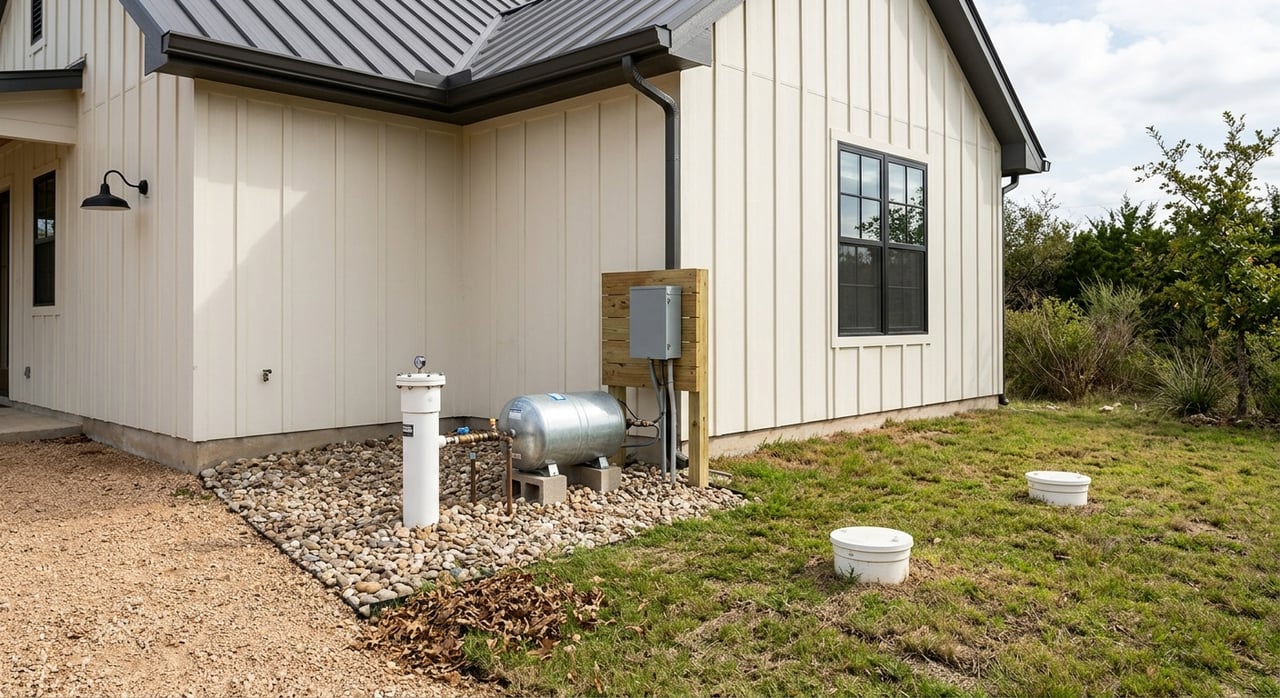
The county Floodplain office provides FEMA maps and permit applications. The county sewage office also requires permits, inspections, and approvals for OSSF installations, repairs, alterations, tank replacements, and related wastewater activity.
Buyers often want to know:
When you have those answers ready, buyers can evaluate the tract more confidently. That often leads to smoother negotiations and fewer contract delays.
Once the file is organized, the property can be positioned for the market. With land, good preparation is often about clarity more than cosmetics.
Buyers typically want a clear tract packet, strong legal description, and practical information about access and usability. In Fayette County, a physical address is a location identifier for emergency services and USPS mail delivery, and driveway and road information are part of the address assignment process. That makes these details part of your marketing readiness.
A well-prepared listing helps buyers move from curiosity to action. It also helps reduce the back-and-forth that can stall rural land deals.
If you plan to split a larger tract into smaller parcels, build in much more time. In Fayette County, subdivision rules can add weeks or even months before the property is truly ready to sell.
The county’s subdivision regulations state that applicable requirements must be met before any contract for sale or legal conveyance of covered property. The rules also say no utility may serve subdivided land unless the county issues a written determination of plat approval or inapplicability.
That means a tract split should not be treated like a quick pre-listing task. It is usually a separate project with its own timeline, documents, and county review process.
If you are considering a split, it is smart to plan for that before setting expectations around list date or closing date.
Once the property is live, the showing phase can be more coordination-heavy than a typical home sale. Buyers often want to walk the land, verify access, review the legal description, and ask tract-specific questions before writing an offer.
This stage can move quickly if the property is straightforward and the file is well organized. It can slow down if buyers cannot easily confirm access, boundaries, floodplain concerns, or utility-related details.
For rural land, responsiveness matters. The faster questions are answered, the easier it is for serious buyers to make decisions.
Many sellers assume the hard part is over once a contract is signed. In reality, the contract-to-closing period is often where the real timeline becomes clear.
After contract execution, the title company begins the title search and prepares the title commitment. In Texas, title insurance is designed to protect against issues that existed before the buyer purchased the property, including liens, unpaid property taxes, fraud, or unknown heirs.
A Texas title company example shows a common sequence like this:
| Timeline Stage | Example Timing |
|---|---|
| Title search begins | Day 1 |
| Title support completed | Day 10 |
| Title issue cleanup | Day 15 |
| Preparation for closing | Around Day 30 |
| Closing | Around Day 45 |
| Recording | Around Day 50 |
This is not a fixed rule, but it is a useful illustration. Even a smooth Fayette County land sale usually needs several weeks after the contract is signed.
If title review uncovers problems, the timeline can stretch. This is especially common with inherited property, older family land, or tracts with unclear past transfers or ownership questions.
Because title insurance is meant to surface ownership defects before closing, this stage protects both sides of the transaction. It can feel slow, but it is an important part of getting the sale to the finish line correctly.
Accuracy also matters for recording. The Fayette County Clerk states that recorded documents must be originals or certified copies and must include the complete legal description of the property.
That is one reason surveys, deeds, and legal descriptions deserve attention well before closing day. Small documentation issues can become bigger delays if they are discovered too late.
Closing is when the final documents are signed, usually at a title agent’s office. After that, the deed still must be recorded with the county.
Recording is the final step that completes the public record side of the transfer. In Fayette County, that means making sure the deed package is recordable and includes the required legal description.
For sellers, this step may sound simple, but it depends on everything before it being accurate. Clean prep leads to smoother closing and recording.
No two land sales are exactly alike, but a few local issues show up again and again. The most common Fayette County bottlenecks are access, floodplain questions, septic issues, and documentation gaps.
For ranches with improvements, additional forms may be needed. TREC’s Seller’s Disclosure Notice applies to previously occupied single-family residences, and TREC also maintains addenda for issues such as mineral reservations, wetlands or environmental matters, and special taxing or assessment districts.
If the property has agricultural appraisal, inherited ownership history, or a planned tract split, expect more moving parts. None of these issues make a sale impossible, but they do make early preparation more important.
For a straightforward tract with organized documents and no major surprises, you can think in terms of:
If survey updates, title curative work, floodplain review, septic approvals, or subdivision steps are needed, the overall timeline can grow quickly. That is why the front-end work matters so much.
With Fayette County land, the best results often come from getting organized before the property hits the market. The right support helps you identify the correct contract path, gather county-related items early, and keep title, access, floodplain, septic, and subdivision questions moving.
That kind of practical, detail-oriented approach is especially important for rural property. Land buyers tend to look closely at long-term usability, and sellers benefit when those details are already understood and documented.
If you are preparing to sell acreage, ranch land, or a legacy family tract in Fayette County, working step by step can save time, reduce stress, and help you avoid preventable delays. If you want clear guidance tailored to rural property, Caitlin Jacob is here to help you move forward with confidence.
Stay up to date on the latest real estate trends.



Whether you’re buying your first home or selling a property, Caitlin Jacob delivers attentive service and market insight to help you achieve your real estate goals in South Central Texas and surrounding areas.