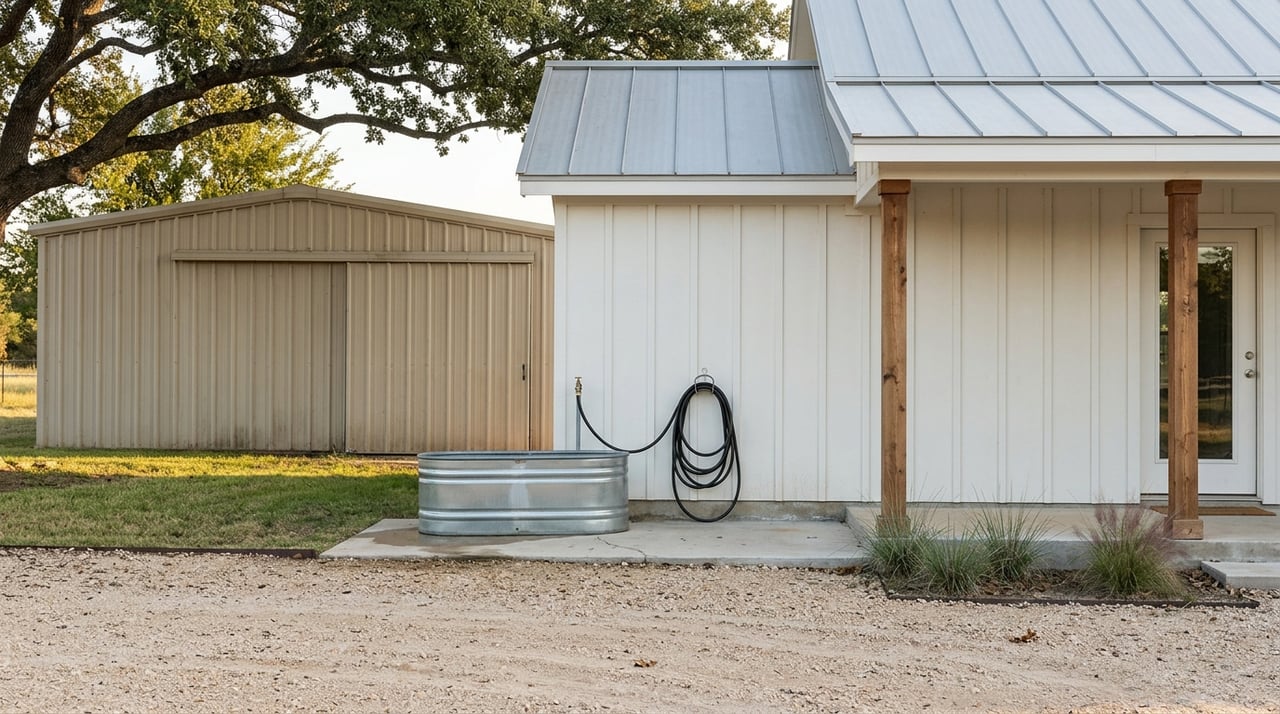
Selling A Legacy Ranch In Washington County
July 9, 2026
July 9, 2026
Selling a legacy ranch in Washington County is rarely a simple matter of putting up a sign and waiting for offers. If your property has been in the family for years, or even generations, you may be sorting through old deeds, shared ownership, agricultural valuation questions, and records that do not fully match what everyone believes the ranch includes. The good news is that with the right front-end work, you can make the sale process clearer, smoother, and less stressful. Let’s dive in.
Before you think about price, photos, or marketing, confirm who legally has the authority to sell the ranch. This is one of the biggest issues in a legacy property sale, especially when ownership has passed through family members over time.
If a prior owner has died, the title path may not be as simple as family understanding or tradition. In Texas, an affidavit of heirship may be used to transfer a deceased owner’s interest in real property when there is no will, or when a will was not probated within four years of death. When title is more complicated, other probate or title-curing steps may be needed before the property is ready to close.
If multiple heirs are involved, it helps to identify the legal owner of record as early as possible. You should also gather any wills, probate orders, trust documents, or power of attorney paperwork that could affect who can sign sale documents.
Washington County maintains deed and official public records dating back to 1836, which makes early record review especially valuable on older ranch properties. A ranch that has been assembled over generations may include separate tracts, old conveyances, or record gaps that need attention before listing.
This is also where sellers need to be careful with appraisal district information. Washington CAD states that its property data, legal descriptions, and acreage amounts are for appraisal research only and should be verified before being used for legal purposes.
That means county and CAD records can be a starting point, but they should not be treated as the final word. If you want to present the ranch clearly to buyers, accurate documentation matters.
A strong legacy ranch sale usually starts with a well-organized document packet. When buyers see that the records are complete and consistent, it builds confidence and reduces avoidable delays during due diligence.
A useful seller packet may include:
Washington County also notes that original notarized documents are required for recording, and plat filings have separate requirements. If you already know that an old plat, deed, or release may need updating, it is better to address that early than let it become a closing surprise.
Many legacy ranch owners have old maps, informal boundary sketches, or appraisal records that have been used for years. Those documents may be helpful background, but they are not a substitute for a current survey.
Texas A&M AgriLife strongly recommends a current survey for rural land to confirm boundaries, acreage, legal access, encroachments, and rights-of-way. Washington CAD also states that its maps are informational only and do not represent an on-the-ground survey.
A current survey can help you avoid confusion about what is actually being sold. It can also make buyer questions easier to answer when a tract has irregular boundaries, shared drives, or older fencing lines that may not match the legal description.
On a ranch sale, buyers usually care more about function than cosmetics. They want to understand how the property works day to day, and whether the land is practical, usable, and supported by reliable infrastructure.
Buyers want to know whether access is legal, recorded, and easy to use. If the ranch reaches a public road directly, that should be clearly documented. If access depends on an easement or shared road, those records should be easy to review.
AgriLife recommends evaluating access to public roads, emergency services, utilities, wells, and groundwater regulations. If permits apply to wells, septic systems, or driveway access, those details can also shape buyer confidence.
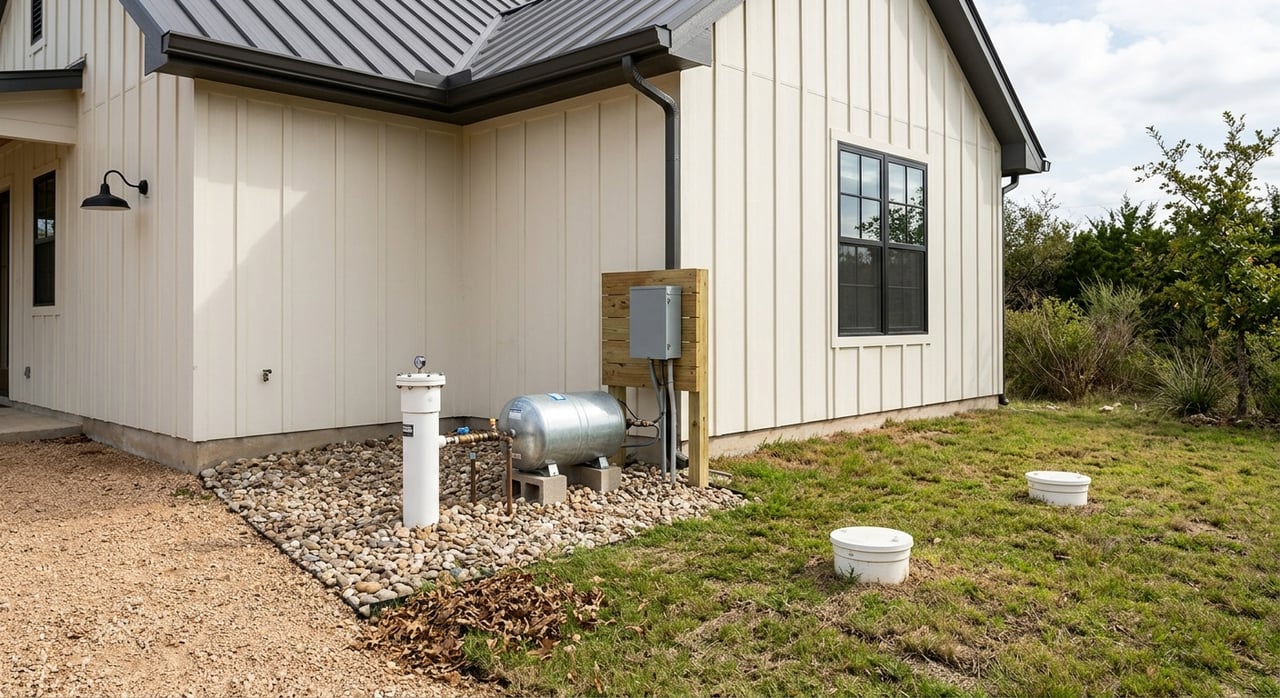
Water is one of the most important ranch features in Washington County and across rural Texas. If your property depends on a private well, buyers will usually want more than a verbal description of how it has performed over the years.
The Texas Water Development Board says private well owners generally do not need to register wells with the state unless the property is in a groundwater conservation district. TWDB also notes that well reports may be available through state databases, and private well owners are responsible for regular water-quality testing.
A strong water file may include:
If you can show clear records, you reduce uncertainty and help buyers see the ranch as cared for rather than risky.
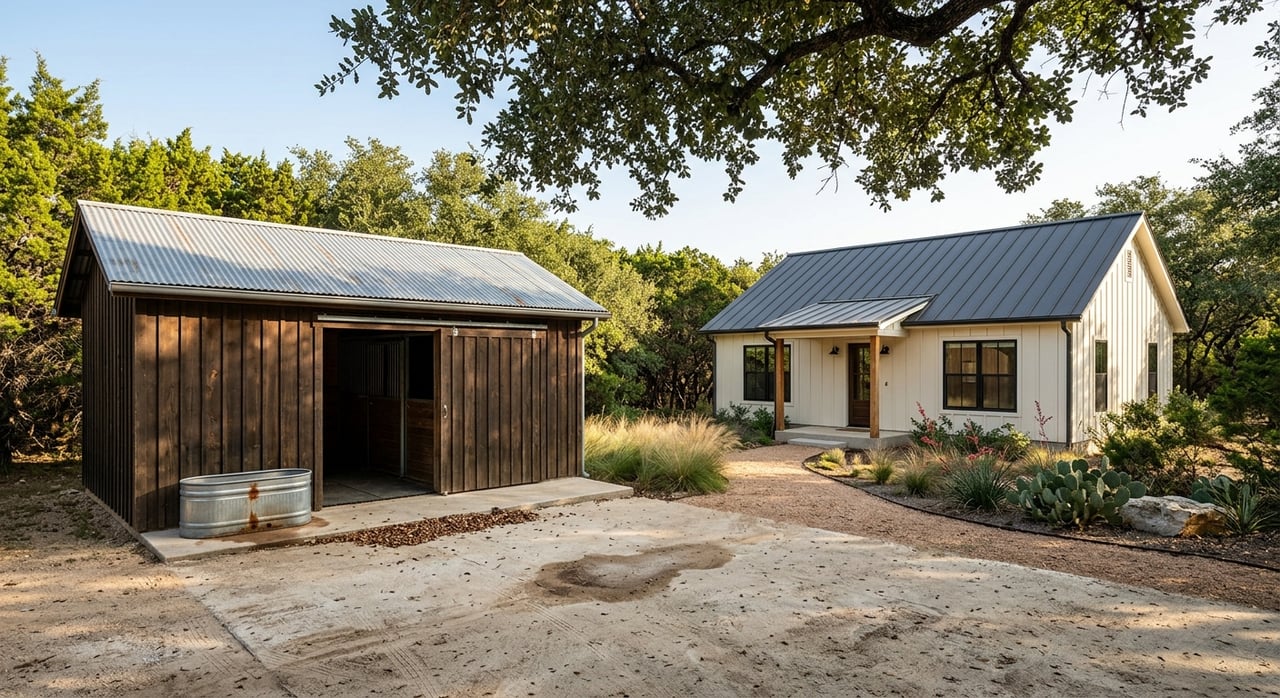
Barns, fencing, gates, roads, pens, and water infrastructure often play a big role in how buyers view a ranch. Even when improvements are older, good documentation helps buyers understand what is usable now and what may need attention later.
Washington County’s agricultural valuation manual explains that 1-d-1 qualification applies to land and appurtenances, not improvements. That is one reason it helps to document improvements separately instead of assuming they are fully reflected in agricultural value.
A legacy ranch may include rights or restrictions that are not obvious from a drive through the gate. Before listing, it is smart to identify what rights will transfer and what has been severed, reserved, or leased.
AgriLife notes that mineral rights, groundwater rights, and wind rights may have been severed or reserved. Easements for roads, utilities, or pipelines can also affect use, and existing leases such as grazing, farming, wind, or solar leases may affect a future purchaser’s rights.
This does not mean every issue is a deal breaker. It does mean you should understand the property well enough to present it accurately from the start.
Agricultural valuation is often part of the conversation on legacy ranch sales, and it is one of the easiest areas for families to misunderstand. In Texas, qualifying agricultural land is taxed based on productivity rather than market value.
Washington County’s agricultural appraisal guidelines are based on typical local use and may be applied case by case for unusual operations. That means the land’s actual use matters, and the valuation is not simply based on acreage alone.
Washington County’s ag-use manual states that a new owner must file a new application to maintain agricultural valuation after ownership changes. The valuation is tied to specific legal ownership, and it terminates when ownership changes.
The same manual says the buyer must file the new application. The district is not required to send one automatically.
The Texas Comptroller states that changing land from agricultural to non-agricultural use can trigger rollback tax. That rollback covers the previous three years of lower-value taxation, and interest may apply.
For sellers and heirs, this is important because a ranch sale can involve more than market price. If the land’s use changes after the sale, tax consequences may become part of the buyer’s decision-making and the overall negotiation.
Legacy ranch sales often move more smoothly when the right professionals are involved before the property hits the market. Front-end organization can save time, reduce stress, and help prevent last-minute surprises related to title, surveys, taxes, or infrastructure.
Texas A&M AgriLife recommends using qualified professionals for title review, surveys, tax status, access questions, and severed or reserved rights. Depending on the situation, your team may include a land-experienced broker, title company, attorney, surveyor, CPA, and a well or infrastructure specialist.
For Washington County sellers, the first local offices that often matter are the County Clerk and Washington CAD. Those records can help you confirm ownership history, deed references, plats, valuation records, and agricultural forms before the ranch is marketed.
If the process feels overwhelming, it helps to work in the right sequence. Trying to market first and solve legal or tax questions later can create avoidable delays.
A practical path usually looks like this:
That kind of preparation helps buyers feel more confident and helps your family make decisions with better information.
Selling a legacy ranch in Washington County is often part business decision, part family transition. When you slow down long enough to confirm title, gather records, and document how the ranch actually functions, you put yourself in a stronger position to move forward with clarity. If you want a practical, organized approach to preparing a family ranch for market, Caitlin Jacob is here to help.
Stay up to date on the latest real estate trends.
Whether you’re buying your first home or selling a property, Caitlin Jacob delivers attentive service and market insight to help you achieve your real estate goals in South Central Texas and surrounding areas.